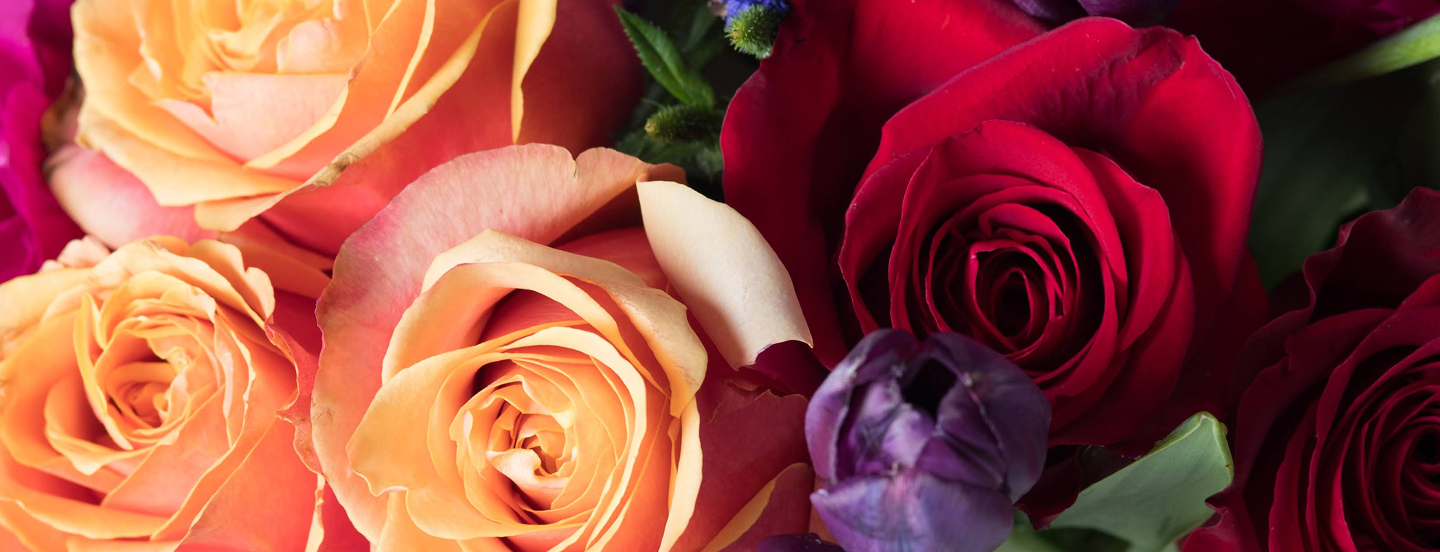
Fresh flowers bring a room to life. They soften light, add texture, and create a sense of welcome that feels both immediate and lasting. With a few elegant habits, you can keep your flowers looking composed for longer, preserving color, line, and form. The guidance below reflects a refined, uncomplicated approach, perfect for daily care at home. It favors proven steps, clean tools, and thoughtful placement over complicated tricks.
A Quiet Ritual That Extends Beauty
Great flower care is consistent rather than complex. Small, regular actions, taken with care, make the most visible difference. Think in terms of clarity and poise.
-
Begin with a spotless vase and cool, fresh water.
-
Trim stems with sharp, clean snips, then place them directly into water.
-
Keep petals and foliage above the waterline.
-
Refresh water often, and avoid heat, direct sun, and strong drafts.
-
Edit gently as blooms mature, so the silhouette always feels intentional.
These simple practices protect the structure of each stem and maintain a design’s elegance from the first day to the last.
Tools and Essentials
A few reliable tools make flower care easy and precise.
-
Clean glass or ceramic vessel, washed with mild soap and thoroughly rinsed
-
Sharp floral snips or clean kitchen shears reserved for flowers
-
Fresh, cool water, replaced every one to two days
-
Flower food, used according to the packet directions if provided
-
A soft cloth for wiping rims and surfaces
-
A small tray or coaster to protect fine furniture
Professional flower food balances three needs: sugar for energy, an acidifier to maintain pH, and a biocide to limit bacterial growth. If no food is available, pristine water and frequent changes are the best alternative.
First Steps After You Receive Flowers
Attentive conditioning on day one sets the tone for the rest of the week.
Unwrap With Care
-
Support the stems as you remove any paper or tissue.
-
If there is a hydration wrap at the base, keep it in place until the vase is ready.
Prepare the Vessel
-
Wash the vase with mild soap, then rinse until no residue remains.
-
Fill with cool, fresh water. Add the provided flower food according to the packet instructions.
Recut and Place
-
Trim each stem at a slight angle, about 1 to 2 centimeters.
-
Remove any leaves that would sit below the waterline.
-
Place stems into the prepared vase immediately after cutting to avoid air uptake.
Water Quality and Temperature
Water is the quiet engine of longevity. Keep it clean and appropriately cool.
-
Use cool water for most cut flowers. It preserves structure and slows rapid opening.
-
Replace water every one to two days. Each time, trim stems slightly.
-
For very woody stems, such as hydrangea or lilac, a fresh cut followed by immediate placement in cool water is effective. Some stems benefit from a gentle vertical split at the base for improved drinking.
-
Tropical cuts, including some orchids and anthurium, are comfortable in room-temperature water. Consistency matters more than warmth.
Avoid household “hacks” like sugar and aspirin. They are inconsistent and can cloud the water. Professional flower food or frequent water changes provide better results.
Placement That Preserves Color and Form
Where you set your flowers can add days to their life.
-
Light, choose bright, indirect light. It keeps colors luminous without stressing petals.
-
Heat, avoid radiators, fireplaces, appliances, and hot windows.
-
Drafts, protect from vents and doorways where air movement is strong.
-
Fruit bowls, keep flowers away from ripening fruit. Ethylene gas accelerates aging in many cut blooms.
-
Surfaces: Use a tray or coaster under the vase to prevent water marks, then wipe any condensation promptly.
If your room warms in the afternoon, move arrangements to a slightly cooler spot in the evening. The overnight pause slows opening and helps maintain structure.
A Simple Daily Routine
Consistency is more important than intensity. A few thoughtful minutes are enough.
-
Top off with fresh water, maintaining a generous water line, especially for roses and hydrangea.
-
Remove spent petals or leaves from the vase and surrounding surface.
-
Turn the arrangement a quarter turn when helpful for even exposure to ambient light.
-
Every other day, replace water completely, wipe the vase rim, and trim stems slightly.
Editing is part of elegance. Retire stems that fade before the others, so the design keeps its clarity.
Care by Flower Type
Each stem has its own character. These focused tips help you honor that character at home.
Roses
-
Remove outer guard petals for a refined face, if desired.
-
Keep water levels high. Recut every one to two days to maintain steady drinking.
-
If a head droops, recut deeply and place in cool water for a quiet recovery.
Tulips
-
Expect graceful movement, tulips continue to grow and lean toward the light.
-
Use cool water and rotate the vase for balance.
-
If stems elongate quickly, shift to a taller vessel for gentle support.
Hydrangea
-
Recut and place into water immediately. Hydrangea are thirsty and respond to attentive hydration.
-
Maintain a higher water line. In very dry rooms, a light mist over the petals can help avoid soaking.
-
For midday wilt, recut the stem and submerge the head in cool water for a brief bath, then return to a clean vase.
Ranunculus
-
Slender stems appreciate immaculate water and stable placement.
-
Trim minimally to preserve length. Remove soft or spent buds promptly.
Lilies
-
Give room for opening, especially in vessels with narrow necks.
-
As blooms open, remove pollen carefully. This protects petals and nearby surfaces.
Peonies
-
Cool rooms extend their season on the table.
-
Gently remove any outer petals that bruise in transit, then let the flower open at its own pace.
Dahlias
-
Prefer cool water and steady temperatures.
-
Recut often and keep away from heat and direct sun to preserve petal edges.
Cut Orchids
-
Keep leaves and petals dry; water clarity is especially important.
-
Comfortable at room temperature, away from direct sun and heat.
Care by Arrangement Style
Vessel and structure influence how you refresh and handle an arrangement.
Classic Vase Arrangements
-
Support the original line when changing water. Lift stems just enough to decant, then return them to the same depth.
-
Avoid crowding with extra stems that were not part of the design. Breathing room preserves definition.
Low Compotes and Bowls
-
Carry level to protect the profile.
-
Refill slowly along the inner rim so mechanics remain undisturbed.
-
If the design cannot be fully lifted, change water by gentle decanting and replenishing, then trim accessible stems.
Hand-Tied Bouquets Placed in a Vase
-
Choose a vase that fits the binding point; this keeps the bouquet upright and poised.
-
Keep water above the tie for even hydration. Replace water frequently since stems are closely gathered.
Troubleshooting Common Issues
Thoughtful adjustments often resolve concerns quickly.
-
Cloudy water or odor, rinse the vase thoroughly, replace with fresh water, and recut stems. Increase the frequency of water changes.
-
Drooping rose heads, make a deeper cut and place in cool water. Allow time for the head to rehydrate before moving.
-
Wilting hydrangea, recut, then give the head a brief cool soak. Return to a clean vase with a generous water line.
-
Bent tulips, recut, and use a taller vase for support. Rotate for balanced light.
-
Leaves below the waterline, remove promptly. Submerged foliage increases bacteria and shortens vase life.
Myths to Skip
Elegance favors clarity. These common suggestions add little or work against longevity.
-
Sugar, aspirin, or pennies in the vase, results are inconsistent and can cloud water or damage stems.
-
Bleach, as a routine additive, professional food controls bacteria with a measured balance. If you do not have food, rely on immaculate vases and frequent water changes.
-
Direct sunlight for “energy,” most cut flowers prefer bright, indirect light. Direct sun accelerates fading and wilting.
-
Overfilling with ice or very cold water can shock some stems. Cool, consistent water is best for most.
Safety and Surface Care
Flowers are most enjoyable when you protect your space and handle stems with care.
-
Use coasters or trays under vases to shield wood and natural stone.
-
Wipe pollen from lilies immediately with a dry, soft brush or tape. Avoid rubbing with water, which can set stains.
-
Keep arrangements away from pets and children. Some cut flowers and foliage can be irritating if ingested.
-
Dry the vase bottom after each water change to prevent rings on delicate finishes.
A Note on Sustainability at Home
Small choices can reduce waste while keeping your flowers fresh.
-
Choose a right-sized vessel so you do not overfill and spill during changes.
-
Wash and reuse glass or ceramic vases; they clean beautifully and last.
-
Compost petals and leaves that you remove during edits when possible.
-
Refresh select stems with a few new additions only if they complement the original palette and form. Thoughtful editing extends the visual life of a design.
Frequently Asked Questions
-
How often should I change the water?
Every one to two days. Each time, trim stems slightly and wipe the vase rim for clarity. -
What temperature water is best?
Cool water suits most cut flowers. Tropical cuts are comfortable at room temperature. Consistency matters more than warmth. -
Do I need to use flower food?
Use it when provided, following the packet instructions. If not available, rely on clean vases and frequent water changes. -
How can I keep flowers alive longer in a warm room?
Move arrangements to a cooler area in the evening, refresh water more often, and keep them away from heat sources and direct sun. -
Can I place flowers in direct sunlight?
Bright, indirect light is ideal. Direct sun can fade petals and shorten vase life. -
Why do my flowers droop even after a fresh cut?
Stems can take in air if left out of water after trimming. Cut and place immediately, keep water clear, and avoid submerged foliage. -
Is it helpful to mist flowers?
Light misting can benefit very thirsty blooms like hydrangea in dry rooms. Avoid heavy moisture on petals that stain easily. -
How full should I keep the vase?
Maintain a generous water line, especially for thirsty stems. Top up daily, then replace fully every one to two days. -
Should I remove lily pollen?
Yes, as each bloom opens. It keeps petals pristine and protects nearby surfaces. -
Are household additives like sugar or aspirin recommended?
No. They are unreliable and can encourage cloudy water. Professional food or consistent water changes are better.
Closing, Care That Honors Design
Flower care is a measured, graceful practice. Clean water, precise trims, and thoughtful placement will keep your arrangement poised from the first day to the last. By tending to the essentials, you preserve color and texture, and you allow each stem to open at a calm pace that suits your home.
Choose a vessel that flatters the silhouette, keep the waterline clear, and edit with intention as the week unfolds. These habits are simple to adopt, yet they make a visible difference. With a quiet ritual of care, your flowers will greet you each day with freshness and ease, a refined accent that elevates the room and reflects a timeless approach to living well.