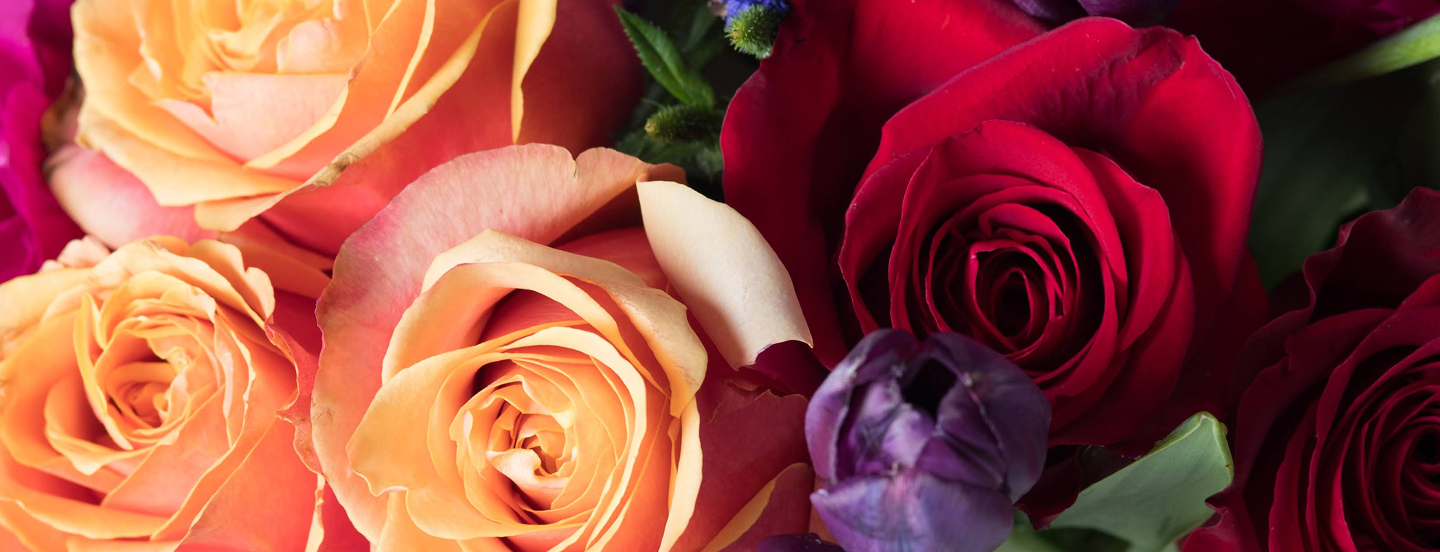
Flower gifting is a simple, gracious way to mark a moment. The right choice feels personal without being complicated, and it arrives ready to be enjoyed. At Allan Woods Flowers in Washington, DC, our approach is refined and calm. We avoid overexplaining what flowers should mean and focus on what they can do: bring light to a room, express care, and create a sense of occasion. This guide offers clear, beginner-friendly etiquette for when to send flowers and what to send, along with practical notes on color, texture, size, and presentation.
A Clear Approach to Modern Etiquette
Thoughtful gifting begins with three questions: what is the occasion, where will the flowers be placed, and how should the design feel. Everything else flows from these points.
-
Occasion, define the tone: celebratory, supportive, romantic, or appreciative.
-
Setting: home, office, hospital, place of worship, or event venue.
-
Mood: polished and calm or vivid and energetic, suited to the recipient and the space.
Guiding principles that keep choices elegant and easy,
-
Favor seasonality for color clarity and better longevity.
-
Edit the palette to two or three tones with a quiet bridge neutral.
-
Keep fragrance gentle for shared spaces and sensitivities.
-
Choose designs that arrive in a vase when convenience matters.
-
Include a concise, sincere note that matches the moment.
When to Send Flowers
Timing adds thoughtfulness. These windows help you choose with confidence while keeping the gesture effortless.
-
Birthdays, the day of, or the business day before, when schedules are full.
-
Anniversaries, the day itself for impact, or slightly early if an evening plan is set.
-
Congratulations, soon after the announcement or even,t so the moment still feels fresh.
-
Thank you, within a week of the kindness, a considered gesture that closes the loop.
-
New baby, to the home when the family is ready to receive visitors and deliveries; check any facility guidelines if sending elsewhere.
-
Get well, early in recovery, opt for low fragrance and compact scale.
-
Sympathy, to the home within the first week, or time to a service if preferences are shared by the family.
-
Housewarming and hostess, the day before a gathering or the day after, compact and easy to place.
-
Romance and just because, any time, often late week or weekend, so the recipient can enjoy the flowers unhurried.
-
Apology, promptly, with a calm palette and a sincere message.
What to Send by Occasion
Match tone and form to the moment. Keep it personal, thoughtful, and comfortable in the recipient’s space.
Birthdays
-
Mood, joyful and tailored to the recipient’s style, bright or softly saturated.
-
Form, medium gathered arrangements, or coordinated bud vases across a mantel or table.
-
Notes include a specific line that reflects the person’s interests or favorite colors.
Anniversaries
-
Mood, classic romance or modern elegance, depending on preference.
-
Form, low centerpieces for dinner at home, or a single-variety design with sculptural lines.
-
Notes: keep the message warm, focused on shared time and gratitude.
Congratulations
-
Mood, confident and uplifting, with a clear structure that reads purposeful.
-
Form, medium to large arrangements for an entry or living area.
-
Notes: call out the milestone, graduation, promotion, or personal achievement.
Thank You
-
Mood, gracious and understated.
-
Form, compact designs that sit comfortably on a desk or side table.
-
Notes, name the kindness, and close with appreciation.
New Baby
-
Mood, gentle and light, relaxed texture that feels fresh.
-
Form, compact vase arrangements for easy placement at home.
-
Notes, include correct names and a warm wish for rest and joy.
Get Well
-
Mood, calm and encouraging.
-
Form, petite to medium pieces that fit bedside or a small table.
-
Notes: keep the message hopeful and brief.
Sympathy
-
Mood, serene and composed, often in whites, creams, and soft greens.
-
Form, arrangements in a vase for the home are considerate and easy to place.
-
Notes, simple is best, express care and presence without detail.
Housewarming and Hostess
-
Mood, warm neutrals, or a single accent color that coordinates with interiors.
-
Form, low centerpieces for dining or coffee tables, or a trio of bud vases for flexible styling.
-
Notes, wish for comfort and ease in the new space.
Romance and Just Because
-
Mood, polished and intimate or airy and light, matches the recipient’s taste.
-
Form, gathered arrangements with layered texture, or a refined mono-botanical statement.
-
Notes: A single line often carries more weight than a long paragraph.
Apology
-
Mood, sincere and calm.
-
Form, medium arrangements with soft texture and measured color.
-
Notes, offer a clear apology and a wish to make amends.
Color, Texture, and Fragrance
Flowers speak through color, texture, and line. Keep choices edited so the eye can rest, and the gesture feels intentional.
-
Color
-
Two or three main tones create clarity.
-
Add a bridge neutral, stone, smoke, sand, or soft green, for gentle transitions.
-
Whites and greens offer universal ease, pastels suit a new baby and sympathy, richer tones highlight congratulations and anniversaries.
-
Texture
-
Pair velvety petals with sleeker elements for balance.
-
Use tailored foliage to frame without crowding the blooms.
-
Consider a subtle accent, berries, or seed heads, for detail without visual weight.
-
Fragrance
-
Select gentle scents for workplaces, hospitals, and homes with sensitivities.
-
If fragrance is welcome, keep it measured so the room feels fresh rather than perfumed.
Size and Proportion
Right scale honors the room and the surface. Measure if possible, then match the footprint and height.
-
Petite
-
Desks, bedside tables, powder rooms, or as a graceful host gift.
-
Medium
-
Dining for four to six, coffee tables, sideboards, or entry consoles.
-
Large
-
Foyers, living room focal points, or buffet settings where presence matters.
-
Branch-led and sculptural
-
When lift and silhouette set the tone in taller or more open rooms.
Practical proportion notes,
-
Keep dining pieces low so conversation remains comfortable.
-
Allow light to move through the design, especially in deeper palettes.
-
Give larger entries a design with a clear outline so it reads from a distance.
Presentation and Card Message
Presentation completes the gesture. A thoughtful vessel and a clear note bring the design and the message into harmony.
-
Vessels
-
Matte ceramic in stone, chalk, or bronze tones reads timeless.
-
Clear or smoked glass highlights the stem structure and water clarity.
-
Footed bowls provide a gentle lift where sightlines benefit from height.
-
Card message etiquette
-
Keep it concise and specific to the occasion.
-
Use names correctly and include your full name or family name.
-
A few examples,
-
Birthday, Warmest wishes for a beautiful year ahead.
-
Anniversary, With love and gratitude for all we share.
-
Congratulations, celebrating your achievement with admiration.
-
Thank you, with appreciation for your kindness.
-
Get well, wishing you strength and a gentle recovery.
-
Sympathy, Holding you in our thoughts with deepest sympathy.
Timing and Practical Considerations
A few quiet details ensure the gift arrives smoothly and can be enjoyed at once.
-
Confirm accurate delivery information, names, addresses, and any access instructions.
-
Consider building policies and any front desk or concierge procedures.
-
For medical facilities, check delivery guidelines and choose low fragrance.
-
For workplaces, opt for compact scale and tidy silhouettes.
-
Think about schedules and travel plans so flowers are received when someone is available.
-
If the date is missed, a graceful design sent soon after is still meaningful.
Seasonal Notes and Availability
Seasonality brings character to arrangements and supports longevity. When a specific flower is not available, a related texture or a similar shade preserves the intention of your gift.
-
Early spring, fresh greens, tulip-like profiles, and delicate textures.
-
Late spring and summer, open-faced blooms, layered petals, and fruiting accents.
-
Autumn, saturated tones with velvety finishes, structured foliage, and branches.
-
Winter, refined palettes, sculptural forms, and textural greens.
Select what is at its peak to enjoy truer color and better structure. If you have a favorite bloom in mind, share that preference, then allow thoughtful substitutions when needed to maintain the overall mood.
Cultural and Setting Considerations
Respect for place and custom is part of good etiquette. When unsure, choose refined simplicity and confirm preferences.
-
Places of worship follow the family’s wishes and any posted guidelines.
-
Hospitals and care facilities, compact designs, low fragrance, and considerate scale.
-
Offices and shared spaces, neutral-forward palettes, gentle scent, and clean lines.
-
Pet-sensitive homes should avoid flowers or foliage known to be harmful to animals.
-
Multi-generational households select measured color and classic forms that suit diverse tastes.
Simple Mistakes to Avoid
Clarity often comes from what you leave out. These checks help your gift feel polished.
-
Do not overwhelm with too wide a variety; allow the eye a place to rest.
-
Avoid strong fragrance in shared or sensitive settings.
-
Skip oversized pieces for small surfaces, right scale feels more luxurious.
-
Do not rely on symbolism alone; choose color, texture, and proportion that fit the moment.
-
Avoid vague messages; one sincere sentence is better than many generalities.
How to Choose with Confidence
A few steps bring every choice into focus.
-
Define the occasion and the tone you wish to set.
-
Select a concise palette that suits the recipient and setting.
-
Decide on size based on surface and room scale.
-
Share any sensitivities, preferred colors, or flowers you would like to feature.
-
Trust seasonal availability for the most beautiful result.
Frequently Asked Questions
What is the best time to send flowers for a birthday
Aim for the day itself. If delivery windows are limited, choose the business day before so the flowers are present in the morning.
Is it appropriate to send flowers to a workplace?
Yes. Choose compact, low-fragrance designs that sit neatly on a desk or in a reception area. Confirm building policies when possible.
When should sympathy flowers arrive?
Sending to the home within the first week is best. For services, follow the family’s preferences and any timing they share.
What should I send if I do not know the recipient’s style
Neutral-forward palettes with layered texture, whites and greens with tailored foliage, suit most interiors and feel composed without being formal.
Are bright colors suitable for get-well gifts?
Yes, in a measured way. Uplifting, gentle tones paired with low fragrance offer comfort without overwhelming the space.
Do flowers need to arrive in a vase?
Often, yes, especially for offices, hospitals, or when you are unsure whether the recipient has a suitable vessel.
How large should an arrangement be for dining?
Keep the height low enough for conversation. For longer tables, consider a softly elongated shape or a series of coordinated bud vases.
What if a flower I requested is not available?
Ask for a related texture or a similar shade. The overall mood, color story, and structure matter more than a single variety.
Is it acceptable to send flowers after a missed date?
Certainly. A timely, gracious arrangement with a sincere message remains thoughtful and well-received.
Closing Notes
Flower gifting etiquette is not about rules for their own sake. It is a way to send beauty with intention. Choose a clear color, refined texture, and the right scale for the room. Keep fragrance gentle, messages sincere, and timing considerate. When you begin with the occasion and the setting, the rest becomes simple. With a composed approach, every gift lands with ease and carries the quiet confidence that defines timeless style.