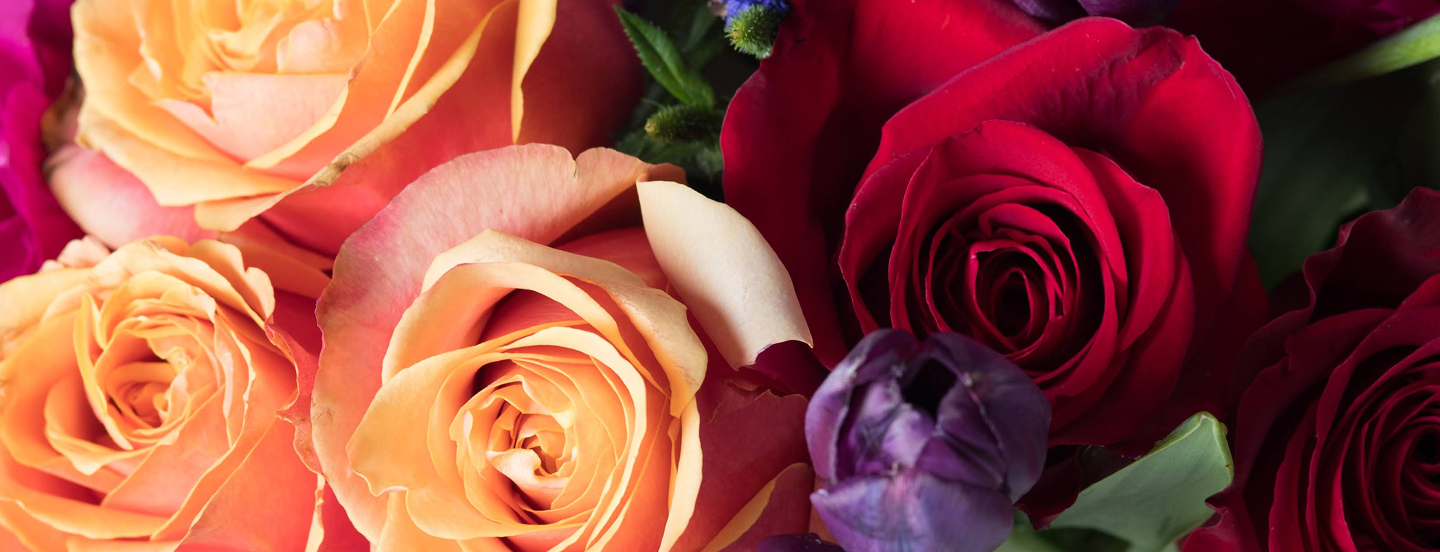
A well-made arrangement is designed to open gracefully, hold its shape, and fade with quiet elegance. The secret is simple: attentive care and an understanding of each flower’s natural rhythm. This guide offers clear, reliable ranges for how long cut flowers last, paired with refined, practical steps to help your arrangement stay fresh. The focus is on quality, conditioning, and thoughtful placement, principles that guide our work every day.
Seasonal shifts influence how quickly blooms open, especially in Washington, DC, where indoor heat in winter and bright summer light can shorten display time. With clean water, proper placement, and routine trimming, most mixed arrangements look beautiful for several days. Certain varieties are notably long-lived, while others offer a brief, exquisite moment at their peak. Both have their place; both are worth savoring.
What Determines Flower Lifespan
-
Variety and petal structure
Stems with delicate petals and airy textures (sweet peas, dahlias) tend to be shorter-lived. Waxy or firm-petaled flowers (orchids, calla lilies) are typically longer lasting. -
Harvest stage
Flowers cut too tightly may not open fully; if they are too open, they fade quickly. Optimal harvest, when color is evident, and petals are poised to unfurl, supports a measured, elegant bloom. -
Water quality and cleanliness
A clean vase, cool water, and fresh flower food slow bacterial growth and help stems drink well. Clarity in the water translates to clarity in the arrangement. -
Environment
Cooler rooms extend freshness. Direct sun, heat vents, and drafts hasten decline. Keep flowers away from ripening fruit, which emits ethylene gas that accelerates aging. -
Handling on arrival
A fresh recut, removal of leaves below the waterline, and prompt hydration add days to your flowers, not just hours.
Care Essentials to Help Flowers Stay Fresh
-
Prepare the vessel
Wash the vase thoroughly, rinse well, and fill with cool, clean water. If you have flower food, follow the packet instructions. -
Trim and place
Recut stems at a slight angle before placing them in water. Remove any leaves that would sit below the waterline. Display flowers out of direct sun and away from heat sources. -
Maintain a rhythm
-
Change the water every one to two days.
-
Recut stems slightly with each water change.
-
Remove fading blooms to keep the composition balanced and refined.
-
Special notes by type
-
Hydrangea benefit from abundant water and a fresh recut. In very dry rooms, a light mist over the petals can be helpful.
-
Lilies last longer with older blooms removed and pollen gently brushed away.
-
Daffodils release a sap; condition them separately in clean water for several hours before combining with other flowers.
-
Tulips and anemones continue to grow and arc in the vase; this natural movement is part of their charm. Cool rooms help retain elegant lines.
Flower Lifespan by Type
Vase-life ranges below assume room-temperature display, fresh water, and consistent care. Availability varies seasonally; choose what is naturally in season when possible for character and performance.
Roses
-
Standard roses: typically 5 to 7 days.
-
Garden roses: 3 to 5 days once fully open.
-
Notes: Remove guard petals for a polished presentation. Keep water lines clean and cool for best longevity.
Peonies
-
From soft bud: 5 to 7 days after opening.
-
From open bloom: 3 to 5 days.
-
Notes: Generous petals appreciate frequent water changes and cooler rooms.
Ranunculus
-
5 to 7 days.
-
Notes: Durable when well-conditioned. Avoid crowding the petal rosettes.
Anemones
-
5 to 7 days.
-
Notes: Stems lengthen as they drink, creating graceful movement. Keep away from heat.
Tulips
-
5 to 7 days.
-
Notes: Tulips continue to grow and bend toward the light. Shallow, fresh water and cool placement help retain structure.
Sweet Peas
-
3 to 5 days.
-
Notes: Exceptionally delicate and fragrant. Best enjoyed at peak in gentle light.
Lilies (Asiatic and Oriental)
-
8 to 12 days.
-
Notes: Remove pollen as blooms open to protect petals and table linens. Trim spent blooms to keep the stem tidy.
Lisianthus
-
8 to 12 days.
-
Notes: Multiple buds open in sequence, extending the display with soft, ruffled texture.
Hydrangea
-
5 to 9 days.
-
Notes: Recut stems and provide abundant water. In arid rooms, light petal misting can help maintain turgor.
Sunflowers
-
5 to 10 days.
-
Notes: Keep water clear and remove yellowing lower leaves for a fresh look.
Dahlias
-
3 to 5 days.
-
Notes: Brilliant color and form with a shorter window. Keep cool and refresh water frequently.
Zinnias
-
6 to 10 days.
-
Notes: Naturally sturdy. Avoid splashing petals when changing water.
Chrysanthemums, Heirloom Mums
-
10 to 14 days.
-
Notes: Durable, textural, and available in refined forms that suit both contemporary and classic designs.
Alstroemeria
-
7 to 14 days.
-
Notes: Buds open gradually. Remove fading florets to maintain clarity.
Stock
-
5 to 7 days.
-
Notes: Soft fragrance and clustered blooms benefit from very clean water.
Delphinium
-
5 to 7 days.
-
Notes: Tall spires prefer cool rooms and deep, fresh water.
Calla Lilies
-
7 to 14 days.
-
Notes: Sleek and sculptural. Cool display areas maximize longevity.
Orchids (cut stems)
-
Phalaenopsis sprays: 10 to 21 days.
-
Cymbidium stems: 14 to 21 days.
-
Oncidium sprays: 7 to 14 days.
-
Notes: Waxy petals confer admirable staying power. Keep out of direct sunlight.
Carnations and Spray Carnations
-
10 to 14 days.
-
Notes: A classic for long wear. Refresh water regularly.
Accent and Airy Textures
-
Scabiosa: 4 to 7 days.
-
Queen Anne’s lace: 5 to 7 days.
-
Waxflower: 7 to 10 days.
-
Notes: These stems provide lift and lightness. Clear water is essential to keep them looking crisp.
Choosing for Longevity: Practical Guidance
-
For a week or more
Lisianthus, chrysanthemums, alstroemeria, carnations, cymbidium, and phalaenopsis orchid stems. -
For sculptural presence with staying power
Calla lilies, orchids, select lilies, and hydrangea with attentive care. -
For short but exquisite moments
Garden roses, sweet peas, peonies at full openness, dahlias in late summer and early autumn. -
For mixed arrangements that hold gracefully
Pair long-wearing stems with a few fleeting beauties. As delicate blooms fade, edit the composition and let the longer-lived flowers continue the display.
Signs of Freshness on Arrival
-
Stems feel cool and hydrated.
-
Foliage is crisp, not yellowing.
-
Buds show clear color without bruising.
-
Petals feel firm, not papery or translucent.
-
Cut ends look clean and pale rather than browned.
If you notice a concern, refresh the water, recut stems, and place the arrangement in a slightly cooler location. Small adjustments often restore clarity.
Washington, DC Considerations
-
Winter heating and dry air
Keep arrangements away from vents and radiators. Refresh water more often. Hydrangea and other large-petaled flowers benefit from thoughtful misting in very dry rooms. -
Summer light and warmth
A bright window can accelerate opening. Place arrangements where they receive gentle light, especially during the late afternoon. -
Entryways and dining tables
Low, elongated designs preserve sightlines and maintain hydration well. Taller pieces are best suited to consoles and sideboards where their silhouette can be appreciated.
Troubleshooting, Gentle Solutions
-
Head-dropped roses
Recut stems and place in cool water high up the stem for an hour, then return to the arrangement. -
Wilting hydrangea heads
Recut, then submerge the blooms in cool water for 20 to 30 minutes before returning them to a clean vase. -
Cloudy water
Rinse the vase thoroughly, refresh with clean water and flower food, and recut stems. Bacteria are the primary cause of rapid decline. -
Pollen on linens
For lilies, remove stamens as soon as the flower opens. If pollen lands on fabric, lift it with a piece of dry tape rather than rubbing.
Care Schedule, A Simple Rhythm to Extend Flower Lifespan
-
Day 1, arrival
Recut stems, place in a clean vase with cool water and flower food, then position away from heat and direct sun. -
Day 2 to 3
Refresh the water, recut stems slightly, and remove any leaves below the waterline. Edit a bloom or two if they are aging faster than the rest. -
Day 4 to 5
Change the water again. If blooms are opening quickly, move to a cooler spot with softer light to extend freshness. -
Day 6 onward
Recut stems, cluster remaining flowers into a smaller vase if desired, and enjoy the quieter composition as it settles.
Frequently Asked Questions about How Long Flowers Stay Fresh
-
How long do cut flowers last
Most mixed arrangements look their best for 5 to 7 days with proper care. Sturdier varieties, such as lisianthus, chrysanthemums, alstroemeria, and many cut orchids, can exceed a week. Delicate blooms like sweet peas or open garden roses are briefer by nature. -
Which flowers have the longest vase life
Lisianthus, chrysanthemums, alstroemeria, carnations, and cymbidium or phalaenopsis orchid stems are reliable for extended display. -
What shortens the lifespan the most
Warm rooms, direct sun, bacteria in the vase, and proximity to ripening fruit all reduce vase life. Clean water and cool placement are the simplest, most effective solutions. -
Do I need flower food?
Yes, when provided. It balances pH and supplies nutrients that support hydration. Follow the packet’s proportions and refresh water regularly. -
Should I refrigerate my flowers overnight?
Home refrigerators can be too cold and may contain fruit. Instead, place arrangements in a cool interior room away from drafts and heat sources. -
Can I mix daffodils with other flowers?
Yes, after hydrating daffodils separately for several hours to release their sap, then refresh the water before combining stems. -
How can I tell if my flowers are drinking well?
Water levels drop as stems hydrate. If the level remains unchanged, recut stems and ensure no foliage sits below the waterline.
Closing, Thoughtful Care for Enduring Beauty
The pleasure of fresh flowers lies in their natural progression, buds that lift, petals that open, color that evolves day by day. With clean water, cool placement, and a simple care rhythm, you can extend that beauty meaningfully. Choose varieties that suit your setting and your timeline, then enjoy the way each stem contributes to a refined whole.
If you are selecting a gift or a piece for your home, consider whether you prefer a longer-lasting structure or a short, radiant moment at peak. Either choice can be perfectly right. Explore our current floral designs, and let us help you choose something beautifully attuned to the season and to the way you like to live with flowers.