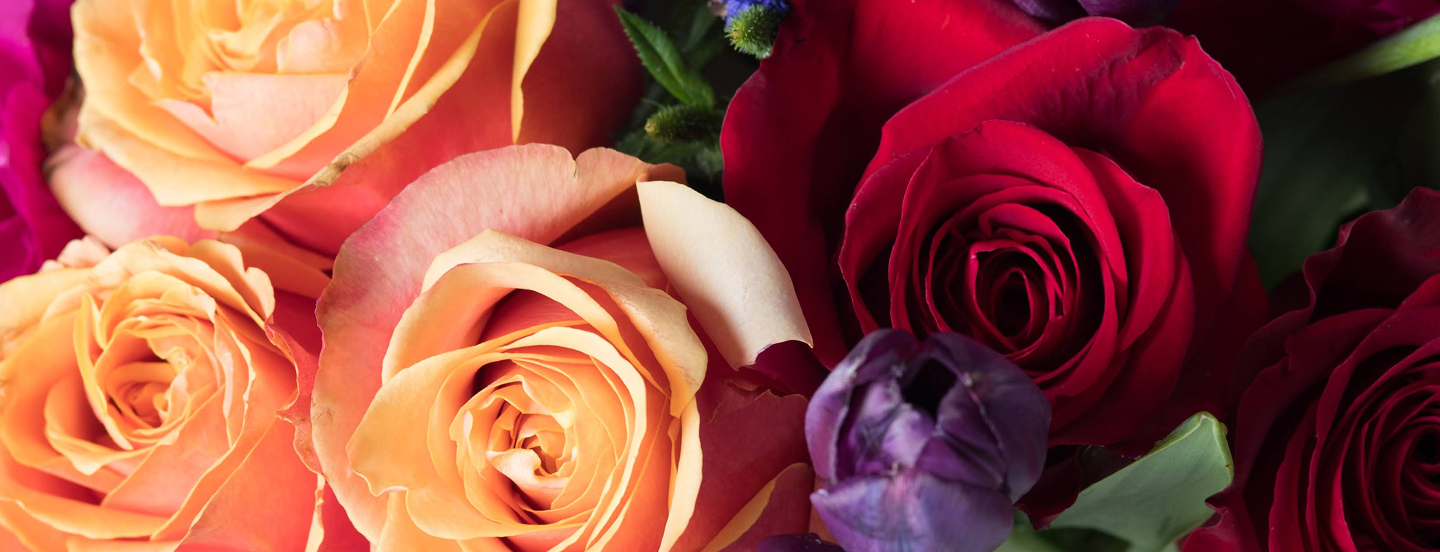
A beautiful arrangement does more than decorate a room. It sets a tone, frames a moment, and creates a sense of ease. At Allan Woods Flowers in Washington, DC, we value floral design that feels refined, timeless, and intentional. This guide explores flower arrangement styles, from classic symmetry to sculptural modern forms, so you can choose with confidence. The focus is on clarity and artistry rather than symbolism, using texture, line, and color to create designs that belong beautifully in your home or as a thoughtful gift.
Understanding floral design styles helps you recognize what you love and why it works. Whether you prefer a polished dome of roses, a relaxed compote, or a minimal composition built on line and light, the right style will align with your space, occasion, and point of view.
What Defines a Floral Design Style
A floral style is more than the flowers themselves. It is the conversation among line, form, color, texture, and vessel. These principles guide every composition at Allan Woods Flowers.
-
Line and form
The silhouette determines the arrangement’s character. Crisp verticals, gentle arches, or low planes each suggest a different mood, from contemplative to celebratory. -
Proportion and balance
Scale is measured against the vessel and the room. Balance may be symmetrical for calm or asymmetrical for movement, always with poise. -
Color approach
Monochrome, tonal, or contrast-driven palettes change the visual tempo. A single hue reads serene, neighboring tones feel layered, and measured counterpoints add definition. -
Texture and materiality
Ruffled petals feel plush, sleek petals appear tailored, and airy forms introduce lift and breath. Foliage can be glossy, matte, or velvety to reinforce the mood. -
Vessel selection
Cylinders, compotes, and sculptural vases are not merely containers. They set proportion, refine edges, and help the flowers hold their line.
Classic Flower Arrangement Styles
These floral design styles feel composed and enduring. They suit traditional interiors as well as modern spaces that appreciate structure and quiet lushness.
European Round or Dome
A full, rounded silhouette with gentle transitions between blooms. The crown is even, the sides are soft, and the effect is polished rather than tight. Roses, hydrangea, and lisianthus excel here, creating a continuous surface with subtle undulation. This style is ideal for dining tables, coffee tables, and gifting when you want pure elegance without distraction.
Pave or Compact
Low and densely layered, the pave style creates a velvety plane of petals. Flowers are set close in height and often in a tonal or monochrome palette, producing a plush, couture finish. It suits intimate tablescapes and side tables where a calm, luxurious presence is desired.
Traditional Vase Silhouette
A graceful, hourglass or tapered vase with a soft crown of blooms and measured foliage. The line rises from the water with intention, opening to a composed head of flowers. This is a quintessential, timeless look that feels at home on an entry console or a living room sideboard.
Garden-Inspired Floral Design Styles
Garden-forward designs bring a cultivated, natural energy indoors. They rely on contrast in texture, varied stem lengths, and the gentle sense that the arrangement was gathered at peak bloom.
Loose Garden
Airy structure, quiet asymmetry, and a feeling of movement define this approach. Stems breathe around one another, and transitions are planned but never forced. It captures a lived-in elegance that is refined rather than fussy.
Compote Arrangements
Set in footed bowls, compotes offer graceful drape and layered textures. The rim allows flowers to arc and rest naturally, so the silhouette reads as lush without heaviness. Compotes link classic roots to modern ease, making them a versatile choice for dining rooms and living spaces.
Meadow or Neo Botanical
Light, vertical accents rise from a structured base as if a clipped meadow were translated into a vase. Wisps may add lift, while roses, ranunculus, or hydrangea provide anchoring mass. The result is soft, expressive, and quietly modern.
Modern and Contemporary Flower Arrangement Styles
Modern styles celebrate clarity, negative space, and sculptural rhythm. They prioritize fewer elements placed with precision.
Minimalist
A distilled study in form. Each stem counts, and space becomes part of the composition. Monochrome palettes, sleek vessels, and flowers with defined silhouettes, such as calla lilies or orchids, shine in this restrained format.
Architectural or Structural
Strong angles, arcs, or planes are developed through measured placements. The look is confident and gallery-like, balancing line with a refined focal bloom. It complements interiors with clean lines and thoughtful materials.
Monochromatic Studies
One hue across varied textures and forms. A white study, for example, might include roses, hydrangea, and lisianthus, relying on petal character and proportion for depth rather than color contrast. The effect is quietly immersive and serene.
Formal Linear
These approaches emphasize line, balance, and the conversation between elements and open space. They read as contemplative and highly curated.
Formal Linear
Distinct verticals or diagonals intersect with clarity. Grouped materials create flow without crowding the eye. The outcome is serene and architectural, suited to mantels, narrow shelves, or artful niches.
Parallel Systems
Stems are aligned in related planes, upright, angled, or horizontal, so their repetition becomes the design. Texture shifts provide nuance within a disciplined framework, creating a polished, gallery-ready presence.
Types of Flower Arrangements by Use and Placement
Selecting types of flower arrangements often starts with where they will live. Form follows function, then refines into style.
-
Low centerpieces for dining
Kept below eye level for conversation, with layered textures and gentle fragrance. European rounds, compact pave, and low compotes excel here. -
Tall arrangements for entry or console
Elevated line, crisp proportion, and a balanced footprint. Formal linear or traditional vase silhouettes offer presence without overwhelming the space. -
Coffee table or side table
A tight footprint with textural interest viewed from above. Pave domes, small compotes, or monochromatic studies feel curated and calm. -
Mantel or shelf
Narrow designs that emphasize line and repetition. Parallel systems, minimalist silhouettes, or slim garden-inspired pieces maintain clarity and balance. -
Single variety compositions
One bloom type, such as roses, tulips, hydrangea, ranunculus, or orchids, celebrates form and quality. This approach is timeless and versatile. -
Mixed seasonal arrangements
A curated blend of textures and tones that honor the moment. The mix is edited rather than busy, so each element has a reason to be there.
Color Palettes That Shape Style
Color sets the emotional register. Your palette can be understated or vivid while remaining elegant.
Monochrome Elegance
A single color family explored through value and texture. Whites and creams feel luminous and calm. Deep tones create a moody, sculptural presence that suits evening settings and rich materials.
Tonal Harmony
Neighboring hues with soft transitions, such as blush to peach to sand, build a cohesive field of color. This approach feels graceful and layered, especially in garden-inspired and compote designs.
Complementary Contrast
Opposing colors, used with precision, introduce definition. Green with garnet, or plum with ivory, can read sophisticated when spacing is intentional, and the palette remains disciplined.
Neutrals with a Singular Accent
Ivory, sand, and layered greens provide a calm base. A focused accent, perhaps a single stem in a saturated hue, adds emphasis without breaking the composition.
Texture, Foliage, and Finishing Details
Texture is a language of its own. It turns a simple palette into something nuanced and memorable.
-
Petal character
Ruffled blooms bring softness and romance. Sleek petals introduce polish. Clustered forms read as plush. Varying petal types within a palette gives dimension without clutter. -
Foliage as architecture
Leaves support the structure and sightlines. Polished greens refine edges and frame blooms so they read clearly. Matte leaves can quiet the composition. A measured mix creates balance. -
Negative space
Strategic openings allow air and light to move through the design, highlighting the stems as much as the flowers. Space is an active element, not an absence. -
Finishing touches
Clean waterlines, precise stem angles, and thoughtful vessel selection ensure the arrangement feels composed from every view. Discipline at the edges elevates the whole.
Choosing the Right Style for Space and Mood
Let your environment and intention guide you. A design that makes sense in context will always feel elegant.
-
Consider the interior
Classic rooms often favor symmetry and fullness. Minimal architectural spaces pair naturally with structural or monochrome work. -
Define the intention
Serene, celebratory, or contemplative. Choose a style that supports the moment, then build your palette and texture accordingly. -
Think about scale
Measure the footprint and sightlines. A low, elongated centerpiece suits dining. A taller silhouette anchors an entry or console. -
Honor the season
Seasonal character lends authenticity. A few thoughtful stems in peak condition will outshine a crowded assortment. -
Maintenance preferences
Compact designs appreciate frequent water refresh. Airy, line-driven pieces benefit from gentle handling and stable placement.
Care Considerations by Style
A few simple steps preserve clarity and extend beauty across all floral design styles.
-
Fresh, clean water
Begin with a spotless vase and cool water. Refill and refresh every one to two days to keep stems drinking and the water clear. -
Stem trims
Recut at a slight angle during each water change. Remove leaves below the waterline to protect clarity and reduce bacteria. -
Placement
Avoid direct sun, heat, and strong drafts. Cooler rooms slow opening and maintain structure so lines stay defined. -
Transport and handling
Support the vase from the base, not the rim. For compotes and low bowls, carry level to preserve the silhouette and prevent shifting. -
Editing as flowers mature
Retire fading stems promptly and refine the line as the arrangement evolves. Thoughtful maintenance keeps the piece poised.
Frequently Asked Questions About Flower Arrangement Styles
-
What are the main flower arrangement styles?
Classic round or dome, compact pave, garden-inspired compotes, minimalist and architectural modern pieces, and Ikebana-influenced linear designs are among the most recognized floral design styles. -
How do I choose between classic and modern styles?
Let your space and intention lead. If your interior favors symmetry and soft transitions, a classic round or compote will feel at home. For clean-lined rooms, consider minimalist, monochromatic, or structural work. -
Which types of flower arrangements suit a dining table
Low designs are best for conversation. European rounds, compact pave, or low compotes maintain sightlines and visual comfort. -
Are single-variety arrangements considered timeless?
Yes. A focused study of one bloom highlights form and quality, creating a sophisticated, enduring look for any setting. -
How important is the vase to the overall style?
Essential. Vessel shape sets proportion, influences stem angles, and completes the silhouette. A well-chosen vase elevates the flowers and clarifies the design. -
Can I blend styles in one arrangement?
With care. A garden-inspired compote can read modern when composed in a monochrome palette with measured asymmetry. The key is restraint and clear intention. -
Do color choices affect perceived style?
Yes. Monochrome palettes often read serene and contemporary. Tonal blends feel layered and elegant. Restrained contrast brings definition without harshness. -
What should I share when requesting a specific style?
Indicate where the flowers will live, your preferred palette, and whether you envision classic symmetry, garden movement, or a more minimal, architectural look. Noting favorite flowers or those to avoid is also helpful.
Closing, A Refined Lens on Style
Great floral design feels effortless because it is built on intention. By understanding flower arrangement styles and how line, proportion, texture, and color work together, you can select pieces that look composed today and will still feel right tomorrow. Whether you prefer a polished dome of roses, a relaxed compote with layered textures, or a minimalist study in line and light, the right choice will harmonize with your space and mood.
When you are ready to bring a piece into your home or to send a thoughtful gift, consider the room, the palette, and the silhouette that best reflect your point of view. A well-designed arrangement will greet you with quiet presence, day after day, reflecting the timeless elegance at the heart of Allan Woods Flowers in Washington, DC.
Note: this guide is intended for general information. For specific concerns or sensitivities, consult an appropriate professional.