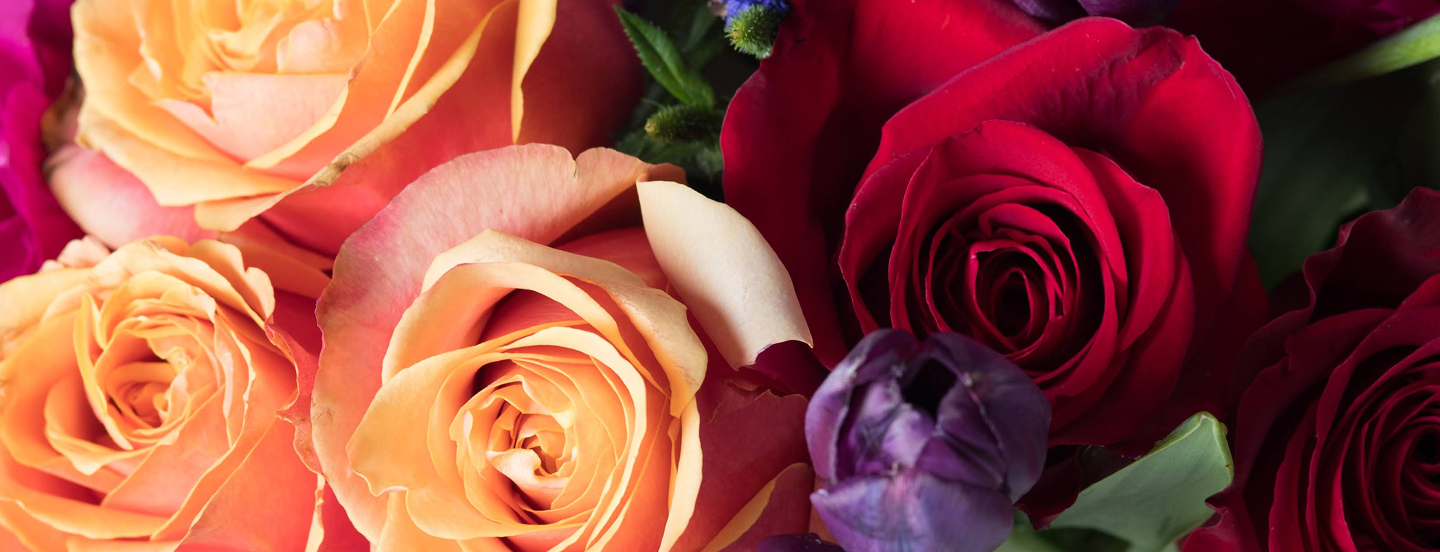
Autumn invites a quieter kind of beauty. Light softens, colors deepen, and interiors call for warmth and calm. At Allan Woods Flowers in Washington, DC, we favor fall flower arrangements that feel composed and timeless, pieces that balance depth with clarity, texture with restraint. This guide offers a thoughtful approach to autumn flowers, from palette choices and textural pairings to forms, vessels, and care. The aim is simple and elegant: let the season speak through color and structure without overcomplicating meaning.
The Fall Palette, Depth with Measured Light
Fall florals look most refined when saturated tones meet gentle light. Select two or three core hues, then use a quiet bridge color to keep transitions soft. Allow natural variations within each bloom to add dimension rather than stacking in too many competing shades.
-
Saffron, copper, and cream for warmth with a gentle glow
-
Merlot, aubergine, and taupe for a tailored, modern read
-
Moss, olive, and bronze with a lift of soft ivory
-
Porcelain white with espresso foliage for crisp contrast
Palette principles that help arrangements feel composed:
-
Edit to a concise range and repeat tones throughout the piece
-
Use neutrals like stone, smoke, or sand as a bridge
-
Introduce one bright note sparingly for movement, then echo it once for continuity
Textures That Define Fall Floral Design
Texture is where autumn comes alive. Combine velvety petals with sleek forms, add foliage for architecture, then finish with quiet accents. The goal is rhythm without visual weight.
Petal Character
-
Dahlias, velvety and sculptural, from intricate pom forms to broad decorative petals
-
Garden and disbud chrysanthemums, refined ruffles with excellent presence
-
Calla lilies, sleek and architectural, are a polished counterpoint to ruffled blooms
-
Cymbidium orchids have a smooth, luminous texture with exceptional endurance
-
Roses in autumn shades, toffee, caramel, mauve, and deep berry for polish
Foliage and Branchwork
-
Magnolia, glossy green with cinnamon-toned undersides for depth
-
Smoke bush, soft plumes, and plum or bronze hues
-
Maple and oak branches, elegant lines that frame the arrangement
-
Camellia and seasonal greens, tailored leaves for a clean silhouette
Accents and Finishing Notes
-
Berries and seed heads, hypericum and viburnum, for understated detail
-
Celosia and amaranthus, velvet and gentle cascade for movement
-
Wheat and millet, subtle texture that reads refined rather than rustic
Seasonal Favorites in the Mid Atlantic
Availability shifts with the weather, and that is part of the beauty. Selecting what is at peak leads to truer color and stronger performance at home. In the Washington, DC region, these stems often define the season:
-
Dahlias, saturated hues, and sculptural forms, strongest in early to mid fall
-
Garden and disbud chrysanthemums, versatile shapes with exceptional longevity
-
Roses in fall tones, toffee, caramel, mauve, and deep berry for depth and polish
-
Calla lilies, clean lines that ground contemporary compositions
-
Cymbidium orchids, with a luminous texture and endurance into late fall
-
Celosia and amaranthus, velvet and drape for quiet luxury
-
Antique hydrangea, mellowed greens, and wines that add volume with restraint
-
Lisianthu,s when available, soft ruffles that bridge deeper palettes
-
Viburnum and hypericum berries, compact accents that hold color well
-
Branches with fruit or turning leaves, crabapple, maple, or oak, for silhouette
-
Magnolia foliage, an instant layer of warmth and contrast
Let one or two flowers lead and use foliage and accents to refine the line. A measured mix produces arrangements that feel distinctly autumnal without heaviness.
Forms and Composition: How Autumn Flowers Take Shape
The right silhouette allows color and texture to read clearly. Consider the room and vessel, then select a form that feels settled in its setting.
-
Low and gathered centerpieces, open sightlines for the table, with a softly elongated shape
-
Asymmetrical silhouettes, visual balance with lift on one side for quiet movement
-
Branch-led statements, height, and clarity for entries or consoles without crowding
-
Mono-botanical designs, a single exceptional variety for a calm, modern statement
-
Bud vase groupings, coordinated stems that create a continuous line across mantels or shelves
Composition principles that bring a designer’s clarity:
-
Proportion, matchthe width and height to the surface and surrounding architecture
-
Focal hierarchy, a lead bloom supported by complementary textures
-
Negative space, clear intervals so the eye can rest, and light can move through
-
Restraint, fewer varieties placed with purpose for a refined finish
Vessels and Materials, Foundations That Elevate
A thoughtful container frames the flowers and completes the composition. In fall, materials with a quiet surface texture pair gracefully with richer palettes.
-
Matte ceramic in stone, chalk, or bronze tones to soften deeper colors
-
Clear or smoked glass when transparency and clean water presentation are desired
-
Footed bowls and compotes fora gentle lift on consoles or dining tables
-
Refined finishes, polished but not glossy, ensuring petals remain the focus
Choose a vessel that supports hydration and balance, then let the flowers lead. Embellishment is best kept minimal so structure and color stay in view.
Color Stories to Try
Copper and Cream
Toffee and caramel roses with cream chrysanthemums, magnolia foliage, and a touch of celosia for velvet. A warm, luminous palette that sets wood and leather tones aglow.
Plum and Moss
Plum dahlias and mauve roses against smoke bush, with viburnum berries for subtle punctuation. Deep yet composed, especially striking in a charcoal or stone vessel.
Saffron and Stone
Golden celosia with antique hydrangea, softened by neutral lisianthus when available. Tailored and quietly modern, ideal for rooms that benefit from a single accent note.
Porcelain White and Espresso
White calla lilies and cymbidium orchids paired with bronze foliage. Crisp contrast that reads tailored rather than stark, suited to clean-lined interiors.
Placement and Scale, Matching Designs to Real Rooms
-
Entry, a branch-led arrangement or mono-botanical statement to set the tone without blocking movement
-
Dining table, low and long pieces that maintain conversation and work with candlelight
-
Living areas, compact silhouettes for coffee tables, fuller designs for sideboards
-
Mantels, a continuous composition created with coordinated vessels in one palette
-
Workspaces and bedside tables, a single stem in a bud vase or a petite trio for a quiet accent
Measure the surface before selecting an arrangement, and consider door swings, sightlines, and the path of natural light. Fall color looks richest in soft daylight, and thoughtful placement enhances that effect.
Care and Longevity, Daily Habits with Lasting Effect
Attentive care extends the life of autumn flowers and protects the design’s line. Small, consistent habits yield the greatest return.
-
Keep arrangements away from heat sources, direct sun, and active vents
-
Refresh water daily or every other day and rinse the vessel to limit buildup
-
Make a short angled recut on accessible stems to reopen hydration pathways
-
Keep foliage above the waterline and trim leaves that slip below
-
Remove spent blooms to preserve clarity and silhouette
-
Favor slightly cooler rooms when possible; many fall flowers prefer it
Variety notes:
-
Dahlias respond well to cool temperatures and very clean water
-
Chrysanthemums, known for longevity, appreciate regular water refresh
-
Calla lilies, resilient and elegant, protect their smooth lines by avoiding crowding
-
Cymbidium orchids maintain their presence with minimal maintenance in cooler conditions
-
Roses, extend vase life by recutting and keeping petals dry
Mindful Materials, Seasonal Sourcing, and Simple Mechanics
Simple choices support both beauty and performance. Favor seasonal stems at peak for color and freshness. Use open-water mechanics that promote hydration and easy care. Reusable vessels in glass or ceramic offer timeless foundations across seasons. When possible, compost stems and leaves through local programs.
How to Choose Fall Flower Arrangements with Confidence
A few clear decisions bring elegance into focus.
-
Begin with one focal family, dahlias, chrysanthemums, or roses, in autumn tones
-
Add a single textural accent, celosia, amaranthus, or berries, for movement
-
Keep the palette concise, two or three tones with a soft or dark bridge note
-
Match the vessel to the silhouette, let the container frame rather than compete
-
Consider fragrance sensitivity, many fall favorites read visually rich with gentle scent
Common Misconceptions About Fall Floral Design
-
“Fall must be dark and heavy”, measured light and negative space keep designs poised
-
“More varieties look richer”, restraint often reads as more luxurious and enhances longevity
-
“Autumn means rustic only”, architectural lines and modern vessels feel current and refined
Frequently Asked Questions
Which autumn flowers last the longest in arrangements?
Chrysanthemums, calla lilies, cymbidium orchids, and many rose varieties are known for consistent vase life when kept cool and well hydrated.
What colors feel most current for fall floral design?
Saffron and copper balanced by cream, plum, and moss lifted by smoke or taupe, and porcelain white paired with espresso foliage create a modern, composed mood.
How do I keep dahlias looking fresh through the week?
Place arrangements away from heat and direct sun, refresh water frequently, and recut accessible stems every one to two days. Clean vessels and cooler rooms help dahlias hold color and structure.
Are bright accents appropriate in fall palettes?
Yes, when measured. A single note of saffron, coral, or garnet can lift deeper tones. Repeat it sparingly to unify the design.
Which vessels suit autumn flowers at home?
Matte ceramic in neutral or earthy tones, clear or smoke glass for transparency, and footed bowls for a subtle sense of lift. Choose shapes that support the silhouette you prefer.
How do I choose the right scale for my space?
Measure the surface, then match the arrangement’s width and height to surrounding furniture and sightlines. Low, gathered pieces suit dining tables, while taller branch-led designs suit entries or sideboards.
Bringing Autumn Home with Ease
Fall flower arrangements reward intention, precise color, layered texture, and thoughtful placement. By choosing seasonal favorites, pairing them with supportive foliage, and placing them in vessels that frame rather than compete, you create work that feels warm and composed. Gentle, regular care extends that beauty day after day. At Allan Woods Flowers, we design with the season’s best to bring quiet confidence to your rooms, letting autumn speak through balanced color and graceful form.