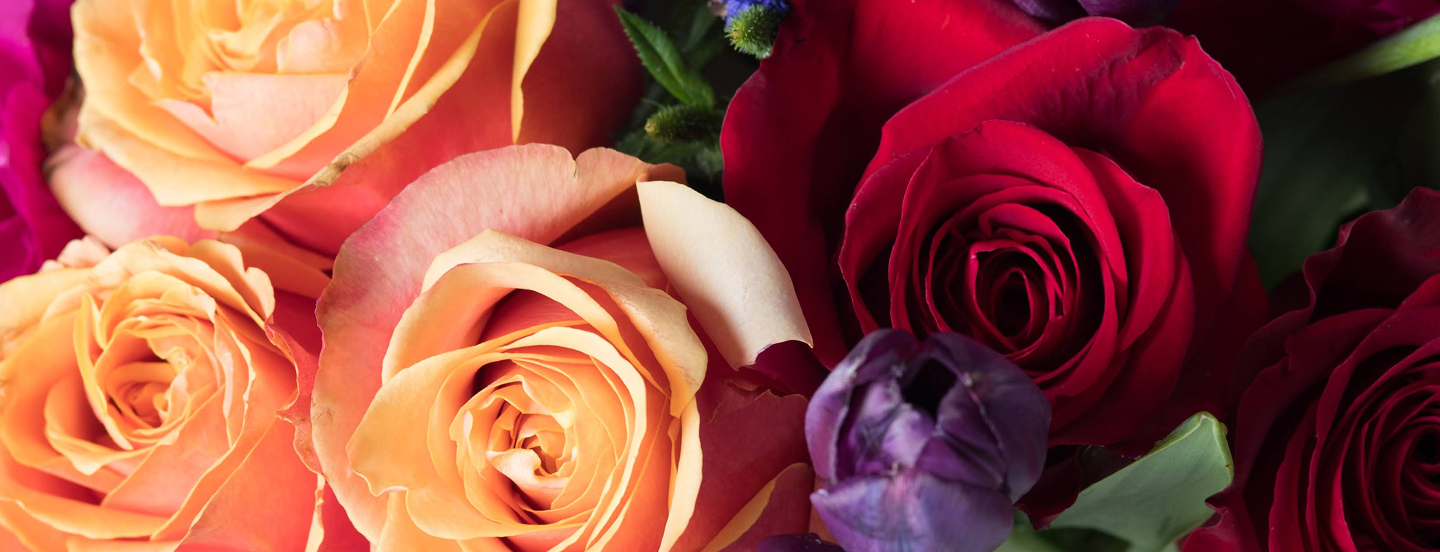
An anniversary is a quiet celebration of time well spent together. Flowers mark the occasion with grace. Chosen with intention, they speak through color, texture, and form, expressing care without saying too much. At Allan Woods Flowers in Washington, DC, we favor elegant palettes, refined composition, and premium stems that arrive beautifully and mature with poise. The result is a gift that feels thoughtful from the first glance to the final petal.
Traditions link certain flowers to specific milestone years, yet the most meaningful arrangements keep things simple. Let the season guide you, keep the palette calm, and choose a silhouette that suits the space. The following guide offers a clear, streamlined way to select anniversary flowers by year and meaning, while leaving room for personal style.
A Refined Way to Choose Anniversary Flowers
-
Begin with mood: serene, romantic, modern, or classic
-
Keep symbolism simple, let the flowers’ character carry the message
-
Choose a hero bloom, then support it with two or three complementary textures
-
Select a tonal palette, whites and creams, soft blush, gentle greens, or layered neutrals
-
Match proportion to place, dining table, entry console, coffee table, or bedside
-
Favor seasonality, stems look richer and last longer when they are in their natural moment
Anniversary Flowers by Year: A Simple Guide
Traditions vary by region, so use this as a helpful framework. If a specific flower is out of season, select a refined alternative with a similar spirit. Keep the meaning clear and the palette cohesive.
Years 1 to 5, Fresh beginnings
-
1st year, Carnation, promise, and youthful affection
Consider ranunculus or garden roses when you prefer layered, romantic petals. -
2nd year, Cosmos, harmony, and balance
Consider lisianthus for airy softness and a gentle, modern profile. -
3rd year, Sunflower, loyalty, and light
Consider golden garden roses or seasonal dahlias for warmth and presence. -
4th year, Geranium, comfort, and companionship
Consider hydrangea for generous volume and serene texture. -
5th year, Daisy, fidelity and joy
Consider white ranunculus or anemones for a fresh, graphic note.
Years 6 to 10, Growing depth
-
6th year, Calla lily, devotion, and elegance
A focused composition of ivory or blush callas reads refined and sculptural. -
7th year, Freesia, trust and sweetness
When seasonal, freesia brings a light fragrance; sweet peas offer a delicate accent. -
8th year, Lilac, first love remembered
In spring, lilac brings nostalgia; otherwise, lisianthus or stock can lend a gentle perfume. -
9th year, Bird of paradise, poise, and adventure
For a sleek gesture, choose orchids with sculptural lines in a calm palette. -
10th year, Daffodil, renewal and brightness
Yellow tulips or buttercream roses create a luminous tone with modern ease.
Years 11 to 15, Established grace
-
11th year, Tulip, perfect love and balance
A single variety presentation of tulips in a focused hue feels elegant and composed. -
12th year, Peony, romance, and prosperity
When in season, peonies are sumptuous; garden roses offer similar fullness outside peony season. -
13th year, Chrysanthemum, loyalty and care
Seasonal dahlias provide architectural petals with refined depth. -
14th year, Dahlia, strength and elegance
Choose tonal blush, ivory, or soft garnet for a timeless composition. -
15th year, Rose, enduring love and grace
Statement roses, garden or spray, bring layered texture and classic beauty.
Milestones with classic symbolism
-
20th year, Aster, patience, and contentment
Consider starry textures within a mixed arrangement to suggest steady brightness. -
25th year, Iris, hope, and faith
Choose serene blues through delphinium or blue hydrangea for a silvery, elegant read. -
30th year, Lily, devotion and commitment
Calla lilies offer a low-fragrance, sculptural line that feels polished. -
40th year, Gladiolus, honor and admiration
Select elegant line flowers for vertical grace, or balance with orchids for clarity. -
50th year, Yellow rose and violet, joy and fidelity
A quiet mix of yellow roses with lavender accents honors tradition with restraint. -
60th year, Orchid, rare beauty and admiration
Phalaenopsis or cymbidium orchids convey poise and lasting presence.
Romantic Flowers That Always Feel Right
-
Roses, garden and spray varieties, layered petals, and timeless romance
-
Orchids, Phalaenopsis or Cymbidium, sculptural elegance and modern calm
-
Peonies in season, clouded petals and soft abundance
-
Ranunculus, fine layers with refined detail
-
Tulips, smooth petals, and graceful movement
-
Hydrangea, generous volume and tranquil color
-
Calla lilies, clean silhouette with contemporary ease
-
Anemones, a crisp center and luminous petals for a graphic note
-
Lisianthus has gently ruffled petals that blend beautifully within tonal palettes
Palette, Texture, and Form
These three elements define how a design feels in the room. Luxury arrangements are composed, not crowded. The eye moves easily from bloom to bloom, finding unity first and detail second.
Palette
-
Whites and creams for luminous, timeless calm
-
Blush and soft pastels for warmth and tenderness
-
Layered neutrals and green for modern softness
-
Refined contrast through ink, aubergine, or soft garnet used sparingly
Choose one family of hues, then explore depth within that family. A tonal palette allows texture and shape to take the lead.
Texture
-
Smooth petals, roses, and callas for polish
-
Ruffled forms, peonies, and lisianthus for softness
-
Fine detail, ranunculus, and anemones for crisp edges
-
Airy accents, a measured touch to create light between blooms
-
Greenery, refined foliage that frames the arrangement rather than dominating it
Texture gives the piece character. Purposeful layering invites the viewer to linger without feeling busy.
Form
-
Low compotes for dining, conversation flows over a layered bowl of blooms
-
Measured verticals for entries and consoles, presence without excess
-
Balanced asymmetry for natural movement, composed yet relaxed
-
Intentional spacing so each stem has room to be seen
Form determines how the arrangement inhabits space. It should be considered from every angle, with clear water and discreet mechanics.
How to Match the Arrangement to the Setting
-
Dining table, choose a low, lush silhouette that keeps sightlines open
-
Entry console, a taller composition with a calm profile, sets a welcoming tone
-
Coffee table, a compact bowl witha layered texture draws the eye without overwhelming
-
Bedside or desk, a small arrangement in a soft palette offers quiet company
-
Gathering spaces, select a shape that relates to the furniture scale and nearby artwork
When in doubt, go simpler in shape and richer in texture. Clarity feels luxurious.
Seasonality in Washington, DC
Seasonal flowers arrive with their best color and form, and they tend to last more gracefully.
-
Spring, tulips, ranunculus, sweet peas, anemones, lilac, and peonies, when available
-
Summer, garden roses, lisianthus, hydrangea, and airy greens
-
Autumn, dahlias, late roses, and foliage with gentle variation
-
Winter, orchids, amaryllis, hellebore, and select evergreens in moderation
If a traditional anniversary bloom is not in season, choose a refined substitute that carries a similar mood. A calm palette and careful composition will keep the sentiment clear.
Care Tips So Your Gift Lasts
-
Start with a clean vessel and cool, fresh water
-
Keep foliage above the waterline, recut stems every day or two
-
Place away from heat sources, direct sunlight, and strong drafts
-
Refresh water regularly, and remove any fading stems to preserve a clear silhouette
-
For orchids as cut flowers, mist lightly and keep out of harsh light to protect the petals
These quiet steps support longevity, allowing the arrangement to open at an even pace and hold its color with grace.
Gentle Guidance on Meaning
Meanings are most helpful when they remain simple. Let color, texture, and form do the talking.
-
Roses, enduring love, and grace
-
Peonies, romance, and abundance in season
-
Orchids, elegance, and admiration
-
Hydrangea, gratitude, and welcome
-
Ranunculus, charm with refined detail
-
Tulips, balance, and devotion
-
Calla lilies, confidence, and purity
-
Anemones, sincerity, and attentiveness
Meaning should support your choice, not complicate it. Selecting a favorite bloom in a tonal palette often feels the most personal.
Examples of Elegant Pairings
Consider pairings that honor traditional meanings while keeping a refined, contemporary feel.
-
Rose with ranunculus, classic romance with fine detail
-
Peony with lisianthus, soft abundance with a gentle ruffle
-
Orchid with calla, sculptural line, and modern clarity
-
Hydrangea with anemone, serene volume with a crisp focal point
-
Tulip with garden rose, smooth movement with layered texture
These combinations keep the composition focused, with two or three distinct textures in a unified palette.
How to Personalize Your Anniversary Flowers
-
Choose a signature color that relates to a favorite space at home
-
Select a single variety for focus, or a mixed design for layered interest
-
Add a quiet accent, a ribbon in a soft tone, or a vessel with subtle texture
-
Consider fragrance carefully; gentle scents are best for dining or close spaces
-
Note the recipient’s favorite bloom, then place it at the heart of the design
Personalizing an arrangement does not require complexity; it requires intention. A single, thoughtful decision can make the piece unmistakably yours.
Frequently Asked Questions
-
Which anniversary flower list should I follow?
Several traditions exist. Use the list as a guide, then let seasonality, palette, and personal taste shape the final choice. -
What if the traditional flower for my year is out of season?
Select a refined alternative with a similar mood. For example, if peonies are out of season, garden roses offer comparable fullness and romance. -
Are single-variety arrangements appropriate for anniversaries?
Yes. A focused presentation of roses, tulips, orchids, or hydrangea can feel exceptionally elegant and personal. -
Which colors feel most romantic without being too bold?
Ivory, cream, blush, champagne, and soft pinks read timeless and warm. Deep tones can be added as a gentle accent. -
Do anniversary flowers need a strong fragrance?
Not at all. Many premium blooms are lightly scented or unscented. Choose a gentle fragrance for dining and close settings so the experience remains balanced. -
How large should the arrangement be?
Match the silhouette to the setting. Low and layered for dining tables, measured verticals for entries, compact bowls for coffee tables, and desks. -
How can I help my flowers last longer at home?
Start with a clean vessel, refresh water frequently, keep foliage above the waterline, recut stems every day or two, and place the arrangement away from heat and direct sun. -
Can I mix the traditional flower with my partner’s favorite?
Yes. Blending a traditional bloom with a cherished favorite makes the gesture both thoughtful and personal.
Closing Notes
Anniversary flowers do their best work when they are edited and intentional. A calm palette, a few premium blooms with character, and a silhouette chosen for the setting create a gift that feels quietly luxurious. Traditions offer a helpful starting point, yet the most romantic arrangements reflect the season and the recipient’s style. At Allan Woods Flowers, refined design and thoughtful materials come together in arrangements that honor the moment with lasting grace.