Elegant flowers can be part of daily life without irritation. For clients who are allergy sensitive, the right varieties and a few thoughtful design choices make all the difference. This guide highlights the best flowers for allergies, focusing on low-pollen flowers that still look refined and luxurious. The approach is simple and clear, in keeping with Allan Woods Flowers’ style, handcrafted arrangements that celebrate beauty, comfort, and ease.
Allergens affect everyone differently. While no flower is completely free of pollen, certain blooms shed very little, and some design techniques further reduce exposure. The result is an arrangement that feels soft and welcoming, with the textures and tones you love, and far less concern about sneezing or watery eyes.
Understanding Allergies and Flowers: What Matters Most
Airborne pollen versus insect-pollinated pollen: The pollen that most often causes symptoms travels easily on the wind. Many favorite cut flowers are insect-pollinated and have heavier pollen that is not readily dispersed indoors. These varieties are often better tolerated.
Fragrance and allergen are not the same: A bold scent does not necessarily mean a flower will trigger allergies. If fragrance is a personal sensitivity, it can be minimized through careful selection, but scent alone is not a reliable measure of allergenicity.
Petal structure and pollen access: Flowers with many petals or a densely ruffled center often keep pollen contained. Sleek, waxy petals can also help reduce shedding. This is why certain classic blooms perform so well in allergy-friendly designs.
Sensitivities vary by person: If you have a known plant allergy, choose with care. This guide offers options that are generally well tolerated, yet personal experience should lead the way.
The Best Low-Pollen Flowers, Refined Choices For Comfortable Living
Each of the following varieties is valued for poise, color, and texture, with very low pollen shed in the home.
Orchids
Phalaenopsis and cymbidium orchids are sculptural and serene with minimal pollen exposure. Their petals are waxy and refined, the color ranges from soft white to blush and deep green, and their presence feels polished in any room. A single stem in a glass cylinder is quietly modern; a clustered composition is sumptuous without heaviness.
Roses
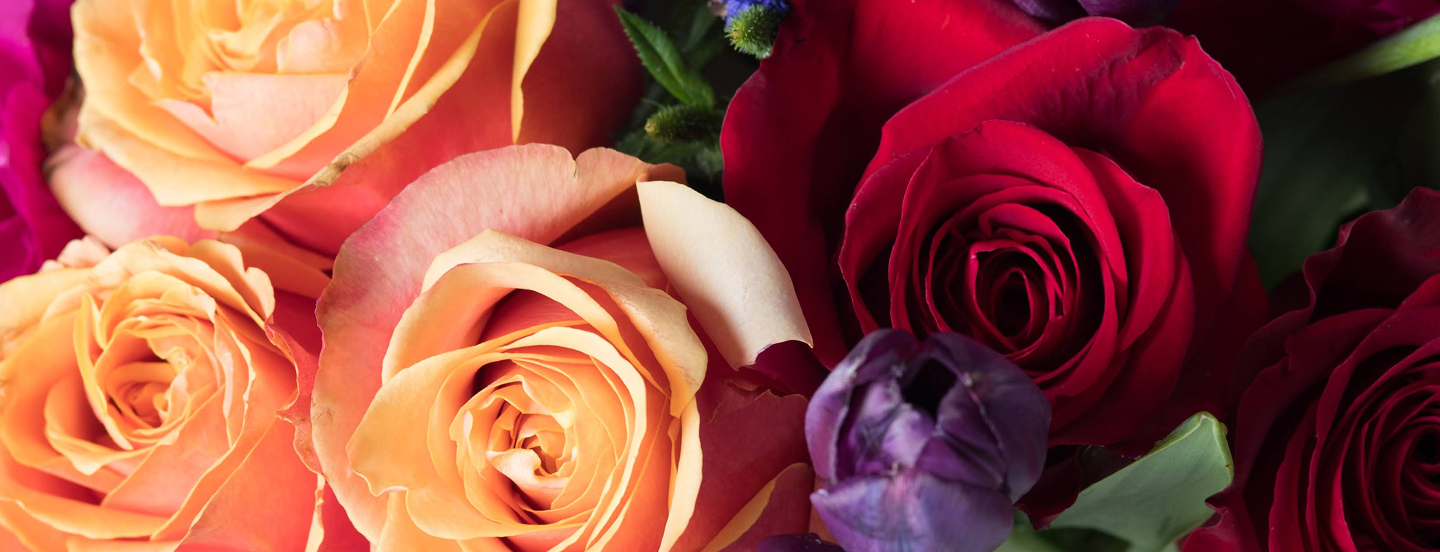
Classic roses are typically low in airborne pollen, especially fuller, double-petal forms. They are beloved for elegant curves, generous color, and timeless style. In soft whites, blush, or warm neutrals, roses offer a calm, allergy-aware choice that looks at home on a bedside table or dining room console.
Calla Lilies
Callas are defined by a smooth, architectural spathe that keeps pollen contained. Their surface has a satin-like sheen, and their silhouette is naturally composed. Pure white callas bring luminous simplicity; deeper tones add a tailored note to contemporary spaces.
Lisianthus
Lisianthus carries layered petals that gently close over the center. The result is a ruffled, romantic flower that reads as low pollen and highly versatile. They mix beautifully with roses and hydrangea, adding lift and grace with long, elegant stems.
Hydrangea
Hydrangea blooms are composed of many showy florets that are largely sterile, which helps limit pollen concerns. They provide generous volume and a soft, cloud-like quality that pairs well with nearly any flower. Whites and pale greens create an airy, clean look that feels restful.
Ranunculus
With petal upon petal forming a delicate cup, ranunculus are visually intricate and usually well tolerated. Their color work is nuanced, from whisper-pale to richly saturated, and their small, refined faces bring fine detail to mixed arrangements.
Tulips
Tulips are natural and understated, and typically low in pollen. Their beauty lies in their simplicity, the way the cup opens gently, and the fresh clarity of their leaves. White and cream tulips are exquisite on their own, and they sit elegantly beside ranunculus or roses.
Carnations and Spray Carnations
These stems provide excellent longevity and restrained pollen shed. Their petals are dense and textured, creating a velvety surface that softens modern pieces and enriches classic designs. Tonal palettes feel especially elevated.
Alstroemeria
With multiple blooms per stem and contained pollen, alstroemeria adds intricacy and lightness. Their markings introduce a subtle pattern without distraction. They support mixed designs beautifully, extending vase life while remaining gentle for many allergy-sensitive clients.
Flowers To Approach With Care, Notes For Sensitive Settings
Some beloved stems are worth a thoughtful approach. If you adore them, there are ways to enjoy the look while reducing exposure.
-
Lilies
Their pollen is prominent. If lilies are desired, removing the stamens early will significantly limit pollen transfer. The forms remain sculptural and elegant, especially in calm palettes. -
Chrysanthemums and daisies
Members of the aster family can be bothersome for some people. If you like their texture, consider compact pompon types or request alternatives with a similar silhouette. -
Sunflowers
Traditional sunflowers can shed. If you enjoy their bold center and strong outline, look for pollenless varieties and pair them with stable, low-pollen companions. -
Highly fragrant stems
Fragrance sensitivity is distinct from pollen sensitivity. Clients who prefer a subtler scent can choose roses with a gentle aroma, lisianthus, callas, hydrangea, or orchids.
Design Strategies That Reduce Irritants: How We Shape A Quieter Bouquet
A well-composed, allergy-friendly arrangement balances texture with tranquility. Small adjustments during design and placement help maintain comfort.
-
Favor densely petaled flowers. Choose varieties whose petals shield the center, such as roses, lisianthus, ranunculus, and carnations.
-
Build around one or two focal varieties. Single variety designs, or duos with compatible forms, limit mixed pollen sources while looking refined and intentional.
-
Select stable, low-shed foliage. Smooth, structured greenery supports the flowers without adding irritants. Consider ruscus, magnolia, or other leaves with a polished surface and minimal aroma.
-
Edit as blooms mature. Remove any anthers or spent blooms early. Keeping the arrangement tidy reduces drops and preserves the composition’s clarity.
-
Thoughtful scale and placement. Low, elongated designs suit dining tables where conversation is close, while taller pieces are ideal for consoles or entry tables. When possible, avoid positioning arrangements directly under heating vents.
Care Practices That Keep Arrangements Comfortable, A Simple Routine
Clean, cool conditions are the ally of any low-pollen design. These steps extend beauty and reduce issues that arise from aging flowers.
-
Start with a clean vase. Wash thoroughly, then fill with cool water. Clear water limits bacterial growth, which helps stems drink and age more gracefully.
-
Recut stems and remove underwater leaves. Trim stems at a slight angle and keep foliage above the waterline. This protects clarity in the vase and slows decay.
-
Refresh water regularly. Change the water every one to two days. A quick trim with each change keeps the arrangement vibrant.
-
Manage warmth and light. Display flowers away from direct sun, heat sources, and strong drafts. Cooler rooms slow opening and help reduce pollen shed.
-
Handle special stems with care. If lilies are included, remove stamens early. For hydrangeas in dry rooms, a light mist on petals can help, and a fresh recut improves hydration.
-
Avoid ripening fruit nearby. Ethylene gas from fruit accelerates aging in flowers. Give arrangements their own space on a sideboard or shelf.
Seasonal Suggestions For Washington, DC, Elegant Options Year-Round
Allan Woods Flowers embraces seasonal character, choosing varieties that look and perform beautifully at each time of year.
-
Winter
Orchids and calla lilies feel serene and polished, especially in whites and greens. Roses in winter whites or soft blush bring warmth to a quiet palette. Ranunculus begins to arrive, offering refined detail. -
Spring
Tulips and ranunculus lead with freshness and light. Roses settle the design with classic structure, while hydrangea appears later in spring for cloud-like volume. If you enjoy peonies, note that double forms are typically gentler, and a designer can minimize pollen exposure through careful handling. -
Summer
Hydrangea is abundant, generous, and airy. Lisianthus adds length and ruffle without fuss. Orchids remain a dependable, cooling presence for contemporary compositions. -
Autumn
Roses in nuanced, antique tones pair beautifully with calla lilies and late-season hydrangea. The effect is layered and rich while remaining calm and composed.
How To Request An Allergy-Friendly Arrangement
Ordering with comfort in mind is straightforward. When placing an order online, include a note requesting an allergy-friendly selection or low-pollen flowers, and share a preferred palette. If there are specific flowers you wish to avoid, list them. The design team will build a composition that honors your preferences while maintaining the house style, elegant, balanced, and seasonally attuned.
Frequently Asked Questions About Allergy-Friendly Flowers
-
What are the best flowers for allergies?
Orchids, roses, calla lilies, lisianthus, hydrangea, tulips, ranunculus, carnations, and alstroemeria are reliable low-pollen choices that still look luxurious. -
Are roses allergy-friendly?
Yes. Classic roses are generally low in airborne pollen, particularly fuller, double-petal forms. They are a beautifully versatile option. -
Do fragrant flowers always cause allergy symptoms?
Not necessarily. Fragrance sensitivity is different from pollen sensitivity. If you prefer a gentle scent, your arrangement can be designed with quieter aromas. -
Can lilies work in an allergy-conscious bouquet?
Yes, with care. Removing the stamens promptly reduces pollen transfer. Their sculptural form remains striking and elegant. -
Which foliage is best for sensitive settings?
Choose leaves with minimal aroma and minimal shedding, such as ruscus or magnolia, to support flowers without adding irritation. -
How can I care for low-pollen flowers to keep them comfortable?
Keep the vase clean, refresh water every one to two days, trim stems slightly with each change, and display in a cool spot away from direct sun and heat. Remove any aging blooms promptly. -
Are there flowers I should avoid if I am very sensitive?
Individuals vary, but lilies with intact stamens, traditional sunflowers, and members of the aster family can be more challenging. If you love the look, ask for pollenless or compact forms, or request alternatives with a similar silhouette. -
Is any flower completely pollen-free?
No cut flower is entirely free of pollen. The goal is to select varieties with minimal shedding and to design and care for them in ways that limit exposure.
Closing, Beauty With Comfort
Allergy-friendly flowers do not require compromise. When you choose refined, low-pollen varieties and a simple care routine, you can enjoy the textures, colors, and silhouettes you love with far less concern. From serene orchids and calla lilies to timeless roses, lisianthus, hydrangea, and tulips, each option offers quiet luxury that suits daily living.
Explore the current seasonal arrangements and, when you order, include a note for an allergy-friendly, low-pollen selection in your preferred palette. The result is a handcrafted piece that feels welcoming and calm, grounded in thoughtful design and the understated elegance that defines Allan Woods Flowers.
Note: This guide is intended for general information. For medical advice about allergies, consult a healthcare professional.