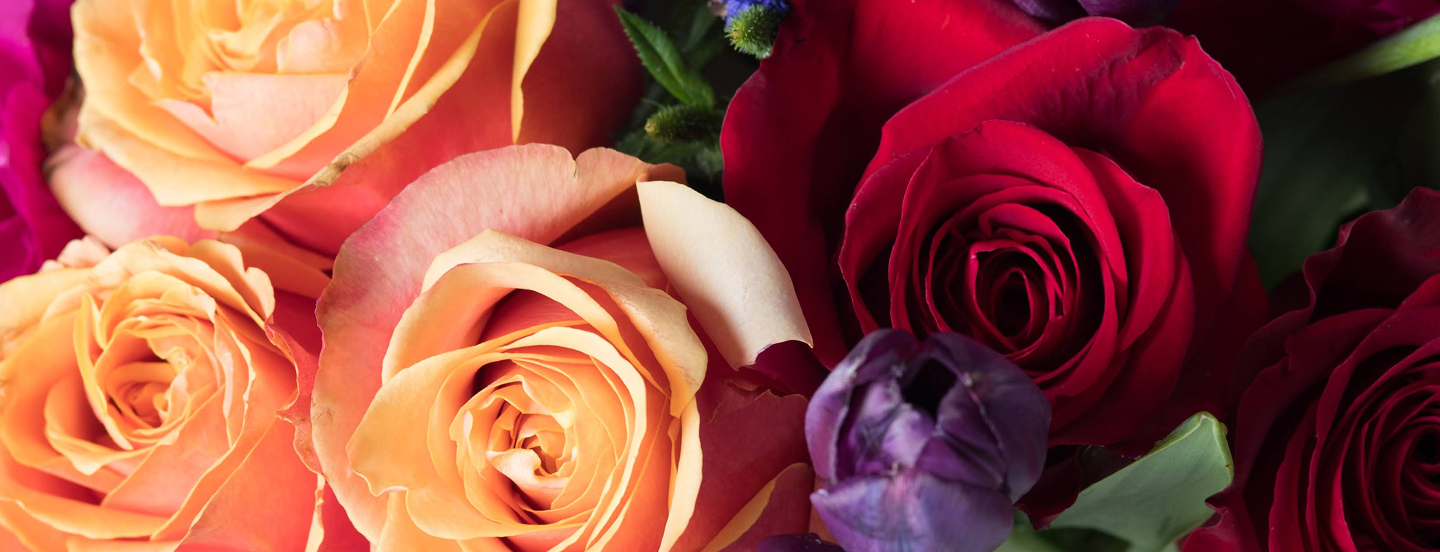
Designer-level floral artistry is not about excess. It is about intention, precision, and a refined sense of proportion. The difference is visible at a glance: color that feels composed rather than crowded, texture placed for balance, and stems conditioned to last. In Washington, DC, Allan Woods Flowers is known for elegant, same-day delivery within the city, custom designs for weddings and events, and thoughtful consultations that align flowers with setting, palette, and purpose. This guide clarifies what sets designer floral arrangements apart from commodity offerings, and how to recognize quality through material choice, technique, and composition.
Designer work begins with a clear brief, the occasion, the room, the light, and the way the flowers will be used. It continues in the studio with careful stem selection, conditioned for longevity, and construction methods that protect line and form. It ends with placement, a vase you will want to keep on the table, clean water, and a silhouette that looks at home the moment it arrives.
The Hallmarks of Designer Floral Arrangements
Designer arrangements share a set of quiet, consistent hallmarks. Each one supports the others to create clarity, depth, and ease in the final design.
-
Intentional palette
-
Two or three tones, supported by a gentle, neutral bridge, read calm and timeless. This restraint allows the eye to rest and the flowers themselves to lead.
-
Proportion and scale
-
The form suits the room, vessel, and viewing angle. Dining pieces remain low for conversation, entry pieces offer presence without overwhelming the space.
-
Movement and line
-
Graceful arcs, soft asymmetry, and clear negative space let light move through the design. The result is lively yet composed.
-
Focal hierarchy
-
A lead bloom is supported by secondary textures and quiet accents. Depth comes from intentional relationships, not crowding.
-
Seasonal precision
-
Stems are selected at peak, chosen for freshness, color integrity, and character. Seasonality brings better performance and a more natural look.
-
Clean presentation
-
Water is immaculate, foliage sits above the waterline, and vessels are polished. The arrangement reads as cared for and architectural.
-
Longevity in practice
-
Correct conditioning and discreet mechanics support hydration and stability. Stems have room to drink and space to hold their shape.
These touchpoints are subtle on their own. Together, they communicate care, skill, and a point of view.
Materials That Elevate Professional Flower Design
Designer-level work relies on materials that carry shape and color with grace. Premium stems and well-chosen vessels make restraint possible, because every element earns its place.
-
Premium blooms
-
Garden roses with layered petals and fragrance suited to the setting.
-
Ranunculus and anemones that bring clarity of color and fine texture.
-
Dahlias are in season for sculptural impact and saturated tone.
-
Cymbidium orchids and calla lilies for refined lines and consistent structure.
-
Character foliage
-
Magnolia for contrast between glossy green and velvet brown.
-
Smoke bush for soft plume-like depth and mood.
-
Camellia for polished, rounded leaves that frame the composition.
-
Seasonal branches to add architecture and lift.
-
Textural accents
-
Berries, seed heads, and airy elements offer punctuation without weight. Used sparingly, they add rhythm and detail.
-
Vessels with intention
-
Matte ceramics in stone or clay tones read timeless and grounded.
-
Clear or smoke glass highlights stem structure and water clarity, a hallmark of tidy craft.
-
Finishing touches
-
Ribbon or twine is used with restraint. The flowers remain the focus, with finishes that feel quietly luxurious.
Selecting fewer, better materials makes the whole read modern, calm, and assured.
The Designer’s Process, From Vision to Placement
The path from idea to finished piece is methodical and refined. Each step strengthens the next, so the arrangement looks effortless on arrival.
-
Consultation and brief
-
Align on setting, purpose, color direction, and scale. This ensures the design fits the room and the moment.
-
Space study
-
Measure table dimensions, confirm sightlines, and note light conditions. Designs feel at home when proportion serves the space.
-
Palette development
-
Choose concise tones with a defined focal flower and one textural counterpoint. This creates a signature look without visual noise.
-
Stem selection
-
Favor seasonal products from trusted local and international growers for quality, color consistency, and variety.
-
Construction
-
Use secure, discreet mechanics with open water for clean hydration. Place stems purposefully to protect line, balance, and petal integrity.
-
Refinement and edit
-
Remove anything that does not contribute to line, color, or texture. Negative space is preserved so light can move through.
-
Quality control and delivery
-
Check water clarity, re-cut stems as needed, and finish vessel edges. Placement is guided by proportion and comfort in the room.
This process delivers an arrangement with presence, but never fuss.
Composition Principles in Floral Artistry
Designer-level composition looks graceful because it rests on clear principles. These make a piece feel intentional without calling attention to technique.
-
Balance
-
Asymmetry with intent. Visual weight is distributed so the eye moves calmly across the piece.
-
Rhythm
-
Repetition of a few key elements builds continuity, like a soft echo that ties the design together.
-
Contrast
-
Smooth petals against matte foliage, airy textures alongside structured forms, a play that creates both interest and poise.
-
Depth
-
Layers from front to back, shadow and reveal that add dimension without heaviness.
-
Restraint
-
Fewer varieties, placed precisely, read modern and serene. This is where premium stems shine.
When these principles align, the flowers feel natural and thoughtfully edited.
Seasonality, The Signature of Professional Flower Design
Seasonality is a designer’s strongest ally. It brings better color, truer form, and a sense of time and place.
-
Spring
-
Tulips, ranunculus, anemones, hellebores, viburnum, and flowering branches are used with air and lift. The palette feels clear and renewing.
-
Summer
-
Garden roses, dahlias, lisianthus, and delicate vines balanced by light foliage. Shapes are open and relaxed, with generous texture.
-
Fall
-
Chrysanthemums, celosia, amaranthus, antique hydrangea, and magnolia create warmth and depth. Tones run saturated and plush.
-
Winter
-
Cymbidium orchids, calla lilies, and evergreen textures with crisp profiles. Lines are architectural, color is refined.
Note on timing, availability shifts with the weather. Designer-level work adapts, selecting what is most beautiful now to maintain the integrity of palette and form.
Designer-Level Arrangements for Key Occasions
Matching silhouette, palette, and scale to the occasion ensures the design supports the moment rather than competing with it.
-
Weddings and ceremonies
-
Refined palettes and intentional scale that complement architecture and attire. Bouquets and arrangements with graceful lines photograph and wear beautifully.
-
Events and private dinners
-
Low and long centerpieces preserve conversation and sightlines. A focused color story across the room creates visual harmony.
-
Sympathy and remembrance
-
Composed designs with soft transitions and quiet texture. Proportion suits the home or the service, with a serene presence.
-
Home and hospitality
-
Statement pieces for entries, bud vase groupings for mantels, and tailored accents for desks or bedside tables. Each design is scaled to the surface and the light.
For each setting, clarity of intention guides choices in color, height, and movement.
How to Recognize Quality at a Glance
You can see designer-level care within moments of placing an arrangement on the table.
-
Water is clear, the vessel is spotless, and no foliage is submerged.
-
Stems are freshly conditioned with angled cuts and secure placement. No bruised petals or collapsed necks.
-
The palette is concise with deliberate transitions, never busy.
-
The form suits the space, with open sightlines at the table and height in proportion to width.
-
Details are finished, leaves are groomed, mechanics are discreet, and there is no visual clutter.
These signs reflect both craftsmanship and respect for the recipient’s space.
Care Guidelines That Protect the Design
Simple habits help premium stems hold color, structure, and poise.
-
Placement
-
Avoid heat, direct sun, and active vents. Cooler, stable environments extend vase life.
-
Water
-
Refresh daily or every other day. Rinse vessels to limit buildup and keep water clear.
-
Re-cut
-
Make a short angled cut to reopen hydration pathways when stems are accessible.
-
Edit
-
Remove spent blooms and foliage so the silhouette remains clean and the eye stays on what is fresh.
-
Room temperature
-
Slightly cooler rooms preserve texture and tone for many premium varieties.
Care supports the intention that went into the design, allowing it to remain beautiful over time.
Why Designer-Level Matters
Designer-level floral design offers more than immediate impact. It brings clarity, durability, and a sense of place.
-
Beauty with purpose
-
Arrangements are tailored to architecture, palette, and occasion so they feel native to the room.
-
Longevity
-
Expert conditioning and secure mechanics extend freshness and support the natural posture of each stem.
-
Clarity
-
Fewer stems, placed with precision, create more impact than crowded mixes.
-
Integrity of materials
-
Premium flowers and foliage wear elegantly through the week, retaining color and structure.
-
Brand experience
-
Professional flower design reflects care in sourcing, construction, and delivery, from the studio to your table.
This is why a designer arrangement reads calm and considered the instant it arrives.
When to Choose Custom, Designer Floral Arrangements
Custom work brings value when details matter, when scale is specific, or when sensitivity is part of the brief.
-
A specific palette or style is required for an event or interior.
-
Architectural spaces call for tailored proportion and silhouette.
-
Fragrance or color sensitivities benefit from expert curation and low-scent selections.
-
Moments deserve precision and calm rather than a mass of variety.
A concise, brief, and thoughtful consultation ensure the design aligns with your space and your intention.
Frequently Asked Questions
What is a designer-level floral arrangement?
A designer-level arrangement is built with an intentional palette, refined proportion, secure mechanics, and premium seasonal stems. The result is clarity, depth, and longevity in a form that suits the room.
How is professional flower design different from a standard bouquet?
Professional flower design emphasizes structure and negative space, with focal hierarchy and purposeful line. Stems are conditioned carefully, and vessels are chosen to support balance, hydration, and presentation.
What affects the price of designer floral arrangements?
Stem quality, seasonality, scale, and the time required for conditioning and precise construction. Premium flowers and thoughtful mechanics deliver lasting value and a more refined result.
Can you create custom designs for weddings and events?
Yes. Allan Woods Flowers offers custom floral artistry for weddings and events in Washington, DC. Consultations help align venue, palette, and scale for cohesive, elegant results.
Do you offer same-day delivery for designer arrangements in DC?
Yes. Elegant, same-day arrangements are available within Washington, DC, subject to the day’s availability of premium blooms.
How long should a designer arrangement last?
With cool placement, clean water, and recuts every one to two days, many premium stems maintain color and structure through the week, often longer for orchids and other long-wearing varieties.
I prefer low fragrance. What should I request?
Ask for refined, low-scent selections such as many modern garden roses bred for form, ranunculus, anemones, calla lilies, or orchids. Your designer can guide choices based on season and palette.
Which vessels work best at home?
Matte ceramic in neutral tones for warmth, clear or smoke glass for transparency and crisp water presentation, and footed bowls for gentle lift on consoles and mantels. The vessel should echo your room’s finishes and scale.
How to Begin, Next Steps in Floral Artistry
-
Explore current collections for designer arrangements in refined palettes suited to your space.
-
Schedule a consultation for weddings, events, or custom flower delivery in Washington, DC. A brief that includes color direction, room photos, and table measurements is helpful.
-
Call or visit the shop to discuss palette, scale, fragrance preferences, and placement. These details guide a design that arrives ready to live comfortably in your room.
Closing Notes
Designer-level floral artistry is defined by intention, restraint, and seasonality. Premium stems, precise mechanics, and a balanced palette result in arrangements that feel timeless and composed from every angle. With professional flower design, each decision serves the whole, creating work that looks at home the moment it arrives and remains beautiful day after day.
At Allan Woods Flowers, our studio approach is calm and exacting. We build with line, texture, and light, so each arrangement carries quiet confidence, whether for same-day delivery in Washington, DC, or for custom weddings and events planned with care. The difference is subtle yet unmistakable, a composition that honors space, celebrates season, and brings beauty into daily life with ease.