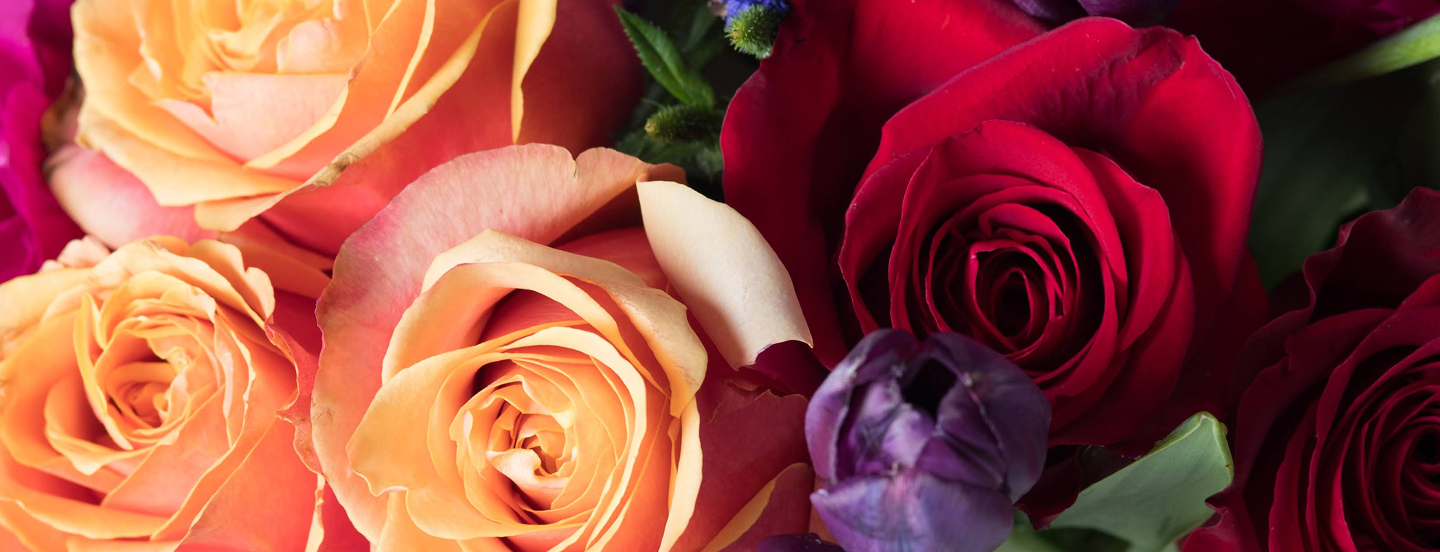
Fresh flowers change a room the moment they arrive. Color feels richer, the air seems lighter, and the space takes on a quiet sense of occasion. When blooms are truly fresh, that effect does not fade quickly. It gathers strength over several days as petals open, fragrance deepens, and texture becomes more expressive. At Allan Woods Flowers in Washington, DC, freshness is not an afterthought. It begins with thoughtful sourcing, continues with precise conditioning, and finishes with a composition that drinks well and ages gracefully.
This guide explains what farm-fresh flowers really are, how their journey from field to vase shapes longevity, and how simple at-home care can extend beauty. You will also find recommendations for long-lasting varieties, cues that signal premium freshness, and answers to common questions.
What Farm-Fresh Flowers Really Are
Farm-fresh flowers are not simply flowers that look new. They are stems cut at the right stage of maturity, handled with care at every step, and moved promptly from grower to designer to recipient. That pacing preserves the qualities that make a flower compelling, including crisp petals, saturated color, and a poised opening sequence.
Key hallmarks of farm-fresh quality include the following:
-
Harvest at the proper stage for each variety. Roses do best when cut with slightly tight centers. Many spring flowers last longest when buds show color but have not fully opened.
-
Immediate rehydration and correct temperature. Stems are placed in clean water with nutrients as soon as possible, then kept in a stable, cool environment.
-
Minimal and expert handling. Gentle movement protects petals and foliage from bruising, which shortens vase life.
-
Seasonally driven selection. In-season flowers often show stronger structure and cleaner color, which supports longevity.
The result is more than a pleasing first impression. It is an arrangement that evolves elegantly over days, with each morning revealing a touch more character.
From Field to Vase, A Careful Journey
The path a bloom takes influences everything you see in the vase. At every step, the goal is to maintain clean water pathways inside the stem and to protect the delicate tissues that support petal structure.
-
Selective harvest during cool hours. Cutting when temperatures are lower helps the stem retain moisture and reduces stress.
-
Immediate placement in fresh water. A prompt drink restores turgor and keeps cells functioning.
-
Consistent cool chain in transport. Temperature stability slows respiration and protects pigments and fragrance.
-
Skilled studio conditioning. Stems are recut, leaves below the waterline are removed, and varieties that require special preparation receive it. Hydrangea, for example, benefits from deep hydration. Woody stems are often given longer cuts for better water uptake.
-
Thoughtful composition. Inside the design, stems are set at angles that preserve water access, and the vase is filled generously with clean water.
-
Protected delivery. Arrangements are transported with care and kept cool so they arrive ready to unfold.
When the journey is managed well, the payoffs are immediate. Petals feel taut, colors look clear, and the arrangement sits with quiet confidence on day one and beyond.
Why Farm-Fresh Flowers Last Longer
Longevity is not a mystery. It is the sum of good timing, clean technique, and an environment that respects the natural pace of each bloom.
The science of hydration
Flowers drink through vascular tissue inside the stem. If that tissue remains open, water moves efficiently and supports the bloom. Several practices protect this system.
-
Cutting at the right stage reduces stress and slows wilting.
-
Clean, angled cuts prevent crushed tissue that can block water flow.
-
Flower food provides nutrients and manages the vase water environment, which helps limit bacteria.
When stems are conditioned properly, they respond with better posture, brighter color, and a steadier opening sequence.
Temperature, light, and respiration
Warmth speeds respiration, which shortens vase life. Cool, steady conditions preserve structure and color.
-
Keep arrangements in cooler rooms. Avoid direct sunlight and heat sources such as radiators or active appliances.
-
Provide gentle light rather than harsh, hot light. Many blooms retain color and shape longer in indirect light.
-
Protect flowers from drafts and sudden temperature swings, which can cause stress.
Even a small drop in ambient temperature can add days of enjoyment.
Handling and design choices that extend life
How stems are prepared and placed inside the vase matters.
-
Remove all foliage that would rest below the waterline, since submerged leaves encourage bacteria.
-
Allow room for airflow in the composition. Tightly compacted petals can trap heat and moisture.
-
Give stems adequate length so they sit comfortably and drink freely, rather than compressing them against the base of the vase.
These decisions support healthy hydration and reduce premature petal bruising or collapse.
The Allan Woods Approach to Freshness
Allan Woods Flowers is known in Washington, DC, for arrangements that feel refined yet welcoming. That character begins with freshness and continues with careful craftsmanship in the studio.
-
Seasonally attuned selection. We favor what is at its best, focusing on quality, color purity, and character.
-
Exacting conditioning. Stems are trimmed with clean tools, vases are spotless, water is refreshed as needed, and each variety receives the preparation it prefers.
-
Compositions that open beautifully. Designs are constructed with balance, water access, and natural movement in mind, so your arrangement looks elegant upon arrival and continues to unfold.
-
Local delivery in Washington, DC. Flowers are protected in transit and presented with care so they arrive composed and cool.
By attending to every step, we create arrangements that offer both immediate presence and enduring grace.
Caring for Fresh Cut Flowers at Home
A few thoughtful habits can add several days to your arrangement. None are complicated, and each one protects stem health.
-
Use a clean vase. Wash with warm, soapy water, rinse thoroughly, and dry before adding flowers.
-
Recut stems before placing them in water. Use sharp, clean shears to make a slight diagonal cut that increases surface area for drinking.
-
Fill the vase generously with room-temperature water. If flower food is provided, follow the instructions on the packet.
-
Refresh water every one to two days. Each time you change the water, trim the stems slightly to keep the vascular tissue open.
-
Clear the waterline. Strip any foliage that would sit under the water, which helps maintain a clean vase environment.
-
Choose a cool location. Keep flowers away from heating vents, hot windows, or strong midday sun.
-
Avoid ethylene exposure. Ripening fruit releases ethylene gas, which can shorten vase life, so display flowers away from fruit bowls.
-
Edit as the week progresses. Remove spent blooms and wilted leaves to preserve the overall composition.
-
Turn the vase occasionally. A quarter turn now and then reveals new angles and supports an even opening.
These steps require only minutes and make a clear difference in how your flowers look on day three and day five, not just on day one.
Long-Lasting Blooms to Consider
All flowers have their own rhythm. Some offer a brief but brilliant moment, while others are admired for their stamina. If longevity is your priority, consider these varieties.
-
Orchids, including phalaenopsis and cymbidium. Elegant and enduring, with remarkable staying power.
-
Tropical varieties, such as anthurium and ginger. Striking structure and resilience when kept cool and hydrated.
-
Premium roses with firm petals and slightly tight centers. They open with grace over several days and hold their shape.
-
Alstroemeria. Multiple blooms per stem and a dependable vase life.
-
Calla lilies. Clean lines and a surprisingly long performance in cool conditions.
-
Hydrangea. With deep hydration and steady temperatures, the heads remain plush and sculptural.
Our designers are happy to guide selections that complement your palette and setting while honoring the season.
How to Recognize True Freshness on Arrival
A few simple observations can help you gauge the quality of your arrangement the moment it reaches your door.
-
Stems feel firm, not hollow or collapsing at the nodes.
-
Foliage is crisp and clean, free of yellowing or softness.
-
Petals show structure and vitality, with buds that promise a measured opening.
-
The vase is filled with clear water and looks immaculate.
-
The arrangement feels cool to the touch, a sign of proper temperature care.
When these cues are present, you can expect a pleasing progression over several days, often a week or more, depending on the varieties and room conditions.
Frequently Asked Questions
What are farm-fresh flowers?
They are flowers harvested at an ideal stage, promptly rehydrated, and kept in clean, cool conditions before being designed and delivered. The process protects color, structure, and fragrance, which results in longer-lasting beauty.
Do farm-fresh flowers last longer than grocery store bouquets?
Often they do. Purposeful harvest timing, temperature stability, and professional conditioning support stem health. Bouquets that experience more handling, warmer conditions, or delays tend to fade sooner.
How long do fresh-cut flowers typically last?
Vase life depends on the varieties and the environment. With good care, many mixed arrangements look beautiful for five to seven days. Orchids and certain tropicals can endure beyond a week.
How can I extend the life of my arrangement at home?
Start with a spotless vase, recut stems, use fresh water, add flower food as directed, and keep the arrangement in a cool spot away from direct sun and ripening fruit. Change the water regularly and remove any foliage below the waterline.
Are farm-fresh flowers always local?
Not necessarily. Farm-fresh refers to quality, timing, and care rather than distance. Seasonality and handling are the most important factors for longevity.
What water temperature is best for my flowers?
Room-temperature water works well for most varieties. Some stems benefit from specific hydration approaches, and your florist may note those details when needed.
Do you deliver in Washington, DC?
Yes. Allan Woods Flowers provides local delivery in Washington, DC. Arrangements are protected and presented to arrive fresh and ready to enjoy.
Which flowers are known for exceptional longevity?
Orchids, select tropicals, alstroemeria, calla lilies, hydrangea, and premium roses are excellent choices for longer vase life.
The Beauty of Freshness, Day After Day
Farm-fresh flowers reward attention to detail. When stems are chosen in season, conditioned with care, and composed with balance, they do more than make a room look finished. They bring a measured unfolding that feels calm and luxurious. With a few simple steps at home, you can extend that experience and enjoy the quiet transformation each day.
Explore our seasonal designs and schedule local delivery in Washington, DC. We will create an arrangement that arrives with presence and continues to open with refined beauty all week.