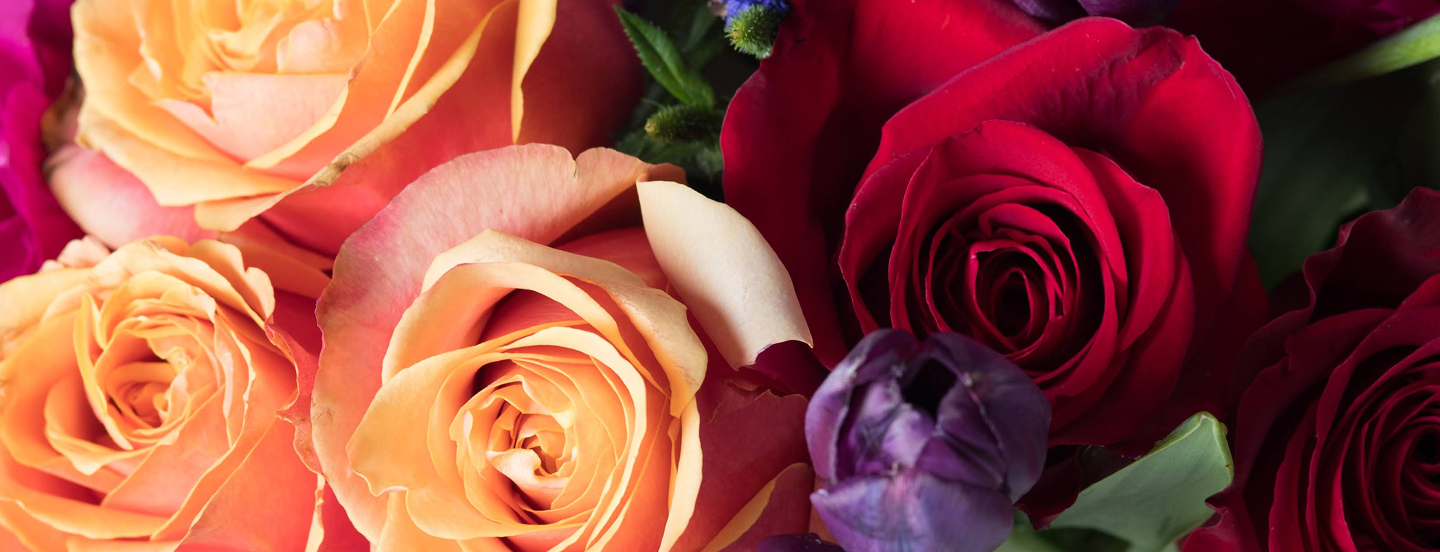
Flowers shape the atmosphere of a wedding with color, texture, and quiet symbolism. At Allan Woods Flowers in Washington, DC, we keep meanings simple and timeless, allowing premium stems and balanced design to speak with ease. This guide offers a clear look at wedding flower meanings, why certain blooms are so beloved, and how to select flowers that feel true to you. The intent is not to overcomplicate, but to give you graceful direction so your choices feel thoughtful and beautifully composed.
A Simple Approach to Wedding Flower Meanings
Rather than memorizing a long list of definitions, begin with how you want the day to feel. Meaning is most readable when it is supported by palette, proportion, and texture.
-
Start with the message, romance, joy, purity, or elegance
-
Choose a palette that matches that intention: soft pastels, creamy neutrals, or deeper tones
-
Select forms that suit your setting, low and full for intimate tables, sculptural for ceremony moments
-
Keep fragrance and sensitivities in mind, a comfortable scent profile is considerate for guests
-
Trust seasonality, it ensures freshness, character, and natural beauty
Popular Wedding Flowers and What They Signify
These popular wedding flowers are favored for their clear symbolism and beautiful performance. Each brings a distinct texture and mood to bouquets and arrangements.
Roses
-
Meaning, love and devotion
-
Why they are chosen: for their exceptional range of colors, strong form, and enduring elegance
-
Style notes, seamless in classic all-white palettes, romantic in blush, and dramatic in deeper reds or berry tones
Peonies
-
Meaning, joy and prosperity
-
Why they are chosen: lush, cloud-like petals that feel celebratory and soft
-
Style notes, ideal for garden-inspired romance; seasonality varies, so similar blooms can be used to echo the effect if needed
Ranunculus
-
Meaning, charm and radiant affection
-
Why are they chosen, layers of fine petals and refined movement in bouquets and boutonnieres
-
Style notes are versatile across palettes from ivory to sunset hues
Tulips
-
Meaning, devotion and grace
-
Why they are chosen: clean lines and a gentle arc that suits both minimalist and romantic designs
-
Style notes, striking as a single-variety bridal bouquet or as an accent in a mixed composition
Orchids
-
Meaning, elegance and admiration
-
Why they are chosen: sculptural presence, long wear, and a polished, modern character
-
Style notes, phalaenopsis blooms offer flowing lines that photograph beautifully
Calla Lilies
-
Meaning, purity and sophistication
-
Why they are chosen: They are smooth, architectural curves that read as timeless and composed
-
Style notes, stunning in single-variety designs or paired with sleek greens
Gardenias
-
Meaning, purity and deep affection
-
Why they are chosen: sumptuous petals and a classic fragrance used with care
-
Style notes, lovely as a focal accent in personal flowers
Stephanotis
-
Meaning, marital happiness and good fortune
-
Why they are chosen: petite, star-shaped blooms are treasured for bridal tradition
-
Style notes, elegant within refined, compact designs
Lily of the Valley
-
Meaning, sweetness and new beginnings
-
Why they are chosen: delicate bells with a soft, graceful drape
-
Style notes, intimate scale, and a distinct fragrance, best showcased in small, exquisite clusters
Hydrangea
-
Meaning, gratitude and abundance
-
Why they are chosen: generous volume and serene, cloud-like texture
-
Style notes, an anchoring element in bouquets and centerpieces
Anemones
-
Meaning, sincerity and anticipation
-
Why they are chosen: crisp centers that add graphic contrast to soft palettes
-
Style notes, beautiful in black and white or pastel compositions
Dahlias
-
Meaning, strength, and commitment
-
Why they are chosen: sculptural forms and rich color for late summer and autumn weddings
-
Style notes bring definition and depth to layered designs
Sweet Peas
-
Meaning, kindness and pleasure
-
Why they are chosen: fluttering petals, gentle fragrance, and airy movement
-
Style notes: add softness without weight
Jasmine Vine
-
Meaning, attachment and grace
-
Why they are chosen: trailing lines that lend natural elegance to bouquets and arrangements
-
Style notes: a delicate, romantic accent alongside focal blooms
Lisianthus and Spray Roses
-
Meaning, gentleness and appreciation
-
Why they are chosen: small, layered blooms that create fullness and refined detail
-
Style notes, supportive in mixed bouquets, equally lovely on their own in intimate designs
Bridal Flowers Meaning by Color
Color guides the mood with clarity. These associations are simple and enduring.
-
Whites and ivories, purity, clarity, and timeless elegance
-
Blush and peach, tenderness, warmth, and approachability
-
Soft pastels, serenity, harmony, and lightness
-
Berry and burgundy, depth, devotion, and a refined, dramatic note
-
Fresh greens, balance, renewal, and calm
If you love a particular color family, keep the tones close for a cohesive look, then add gentle contrast through texture rather than strikingly different hues.
Choosing by Style, Setting, and Scale
The most successful wedding flowers are thoughtful about space and proportion. Align style with the architecture of your venue and the tone of your celebration.
Classic and Formal
-
Roses, calla lilies, stephanotis, orchids
-
Smooth textures, even spacing, and balanced symmetry
-
Polished vessels and refined greenery allow the flowers to take the lead
Garden and Romantic
-
Peonies, ranunculus, sweet peas, jasmine vine
-
Airy movement with layered petals and soft color shifts
-
A natural silhouette with a touch of negative space keeps the design elegant
Modern and Sculptural
-
Orchids, calla lilies, anemones, structured foliage
-
Defined silhouettes, restrained palettes, and graphic contrast
-
Clean lines read beautifully in photographs and contemporary settings
Intimate City Ceremony
-
Tulips, spray roses, lisianthus, and hydrangea
-
Scaled designs suited to small spaces while remaining graceful and composed
-
Gentle palettes that feel welcoming and serene
Seasonality and Responsible Substitutions
Season brings character and quality to floral design. Working with the best of the season keeps stems at their peak and ensures a natural, effortless beauty.
Spring
-
Peonies, ranunculus, tulips, anemones, sweet peas, lily of the valley
-
Mood, fresh, soft, and luminous
Summer
-
Garden roses, hydrangea, lisianthus, jasmine vine
-
Mood, abundant, textural, and relaxed
Autumn
-
Dahlias, garden roses, anemones, and refined foliage
-
Mood, rich color, graphic structure, and warmth
Winter
-
Roses, orchids, calla lilies, and evergreen textures
-
Mood, crisp, elegant, and enduring
Simple Substitutions That Preserve Intent
-
Maintain the palette, shape, and texture, even if a particular stem is not available
-
Choose related varieties, for example, garden roses or ranunculus can echo the softness of peonies
-
Prioritize freshness and form so the design reads clearly fromthe ceremony through the reception
Scent, Sensitivities, and Guest Comfort
Fragrance is part of the overall experience. Select with care so the room feels welcoming.
-
Distinctly fragrant, gardenias, lily of the valley, and sweet peas
-
Gentle to low fragrance, orchids, ranunculus, lisianthus, and many roses
-
For intimate indoor settings, favor a lighter scent profile or place more fragrant blooms in smaller accents
Consider the placement of strongly scented varieties. A lightly perfumed bouquet can feel luxurious, while over-scented centerpieces may compete with dining.
Longevity and Day-of-Care
Flowers should look beautiful from the first look to the last toast. Choosing resilient varieties and simple care steps protects their poise.
-
Notable endurance, orchids, roses, calla lilies, lisianthus, and ranunculus
-
Keep stems hydrated whenever possible
-
Avoid direct sun, heating vents, or prolonged outdoor wind and heat
-
Handle with clean, dry hands to preserve immaculate petals
-
For bouquets, a light mist and a clean water rest between moments can help maintain freshness
Pairings That Always Feel Balanced
Thoughtful combinations help each flower speak clearly while maintaining harmony.
-
Blush garden roses with ranunculus and jasmine vine, soft movement, and romance
-
Ivory roses with calla lilies and sleek greens, classic clarity with sculptural lines
-
Peonies with sweet peas and gentle foliage, cloud-like texture, and celebration
-
White Phalaenopsis orchids with minimal greens, a serene, modern presence
-
Hydrangea base with tonal roses and lisianthus, calm fullness with refined detail
Wedding Flower Meanings at a Glance
A concise mapping keeps symbolism readable without complexity.
-
Love and devotion, roses, orchids, and ranunculus
-
Joy and celebration, peonies, sweet peas, tulips
-
Purity and clarity, calla lilies, gardenias, lily of the valley
-
Gratitude and abundance, hydrangea
-
Strength and commitment, dahlias
-
Sincerity and anticipation, anemones
Frequently Asked Questions
What are the classic wedding flower meanings?
Roses symbolize enduring love, calla lilies speak to purity and sophistication, and peonies suggest joyful abundance. These choices remain timeless because their forms and textures convey the message with ease.
Which popular wedding flowers adapt to many styles?
Roses, ranunculus, and orchids transition gracefully between classic, romantic, and modern designs. Their textures are adaptable and photograph beautifully.
What bridal flowers mean love and purity suit an all-white bouquet?
White roses, calla lilies, stephanotis, and orchids create a serene palette with clear symbolism and elegant structure.
Which flowers last longest through a full wedding day?
Orchids, roses, calla lilies, lisianthus, and ranunculus are known for dependable wear when properly hydrated and cared for.
How should I handle seasonality if my preferred flower is unavailable?
Keep the palette and silhouette consistent, then select a close alternative. For example, garden roses or ranunculus can echo the softness of peonies with a similar mood.
Are fragrant flowers appropriate for indoor ceremonies?
Yes, in moderation. Choose a light scent profile for intimate venues, and reserve more fragrant blooms for smaller accents or open-air settings.
Do color choices affect wedding flower meanings?
Color guides the mood. Whites and ivories feel timeless and pure, blush and peach convey warmth, and deeper tones add depth and formality.
What is the simplest way to keep meaning clear without overthinking?
Choose one or two focal blooms that match your intention, then support them with complementary textures and a cohesive palette. Clarity comes from restraint.
How can I balance budget, impact, and meaning?
Focus on a few key moments, the bouquet, the ceremony, and select focal centerpieces. Use premium blooms where they have the most presence, then layer with supportive textures.
Are there low-pollen options for allergy-sensitive guests?
Orchids, roses, and calla lilies are generally comfortable choices while retaining elegance and poise.
Closing Thoughts
Wedding flowers do not need elaborate explanations to feel meaningful. Select a clear intention, then refine by palette, texture, and form. Trust seasonality for quality and character. With balanced composition and premium stems, the symbolism becomes both visible and effortless. The result is an atmosphere that feels cultivated yet welcoming, where every bloom contributes to a day designed with care and timeless style.