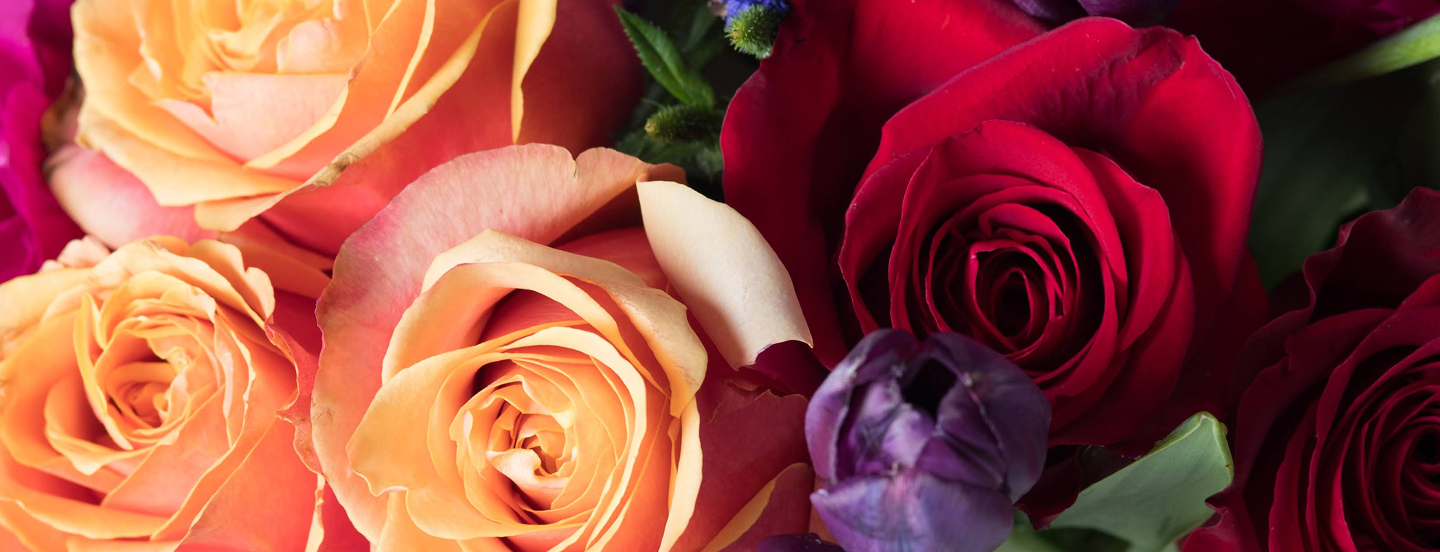
Luxury florals feel effortless, yet they are the result of meticulous choices. Every stem is selected for character, every color reads with intention, and every placement supports the overall composition. The goal is quiet beauty that holds the room without asking for attention. At Allan Woods Flowers in Washington, DC, this is the standard, a refined approach that honors form, freshness, and restraint.
Luxury arrangements do not depend on excess. They depend on quality, balance, and the harmony of color, texture, and light. When those elements are in tune, the design feels calm and assured, whether it rests on a dining table, welcomes guests in an entry, or marks a meaningful moment.
What Defines a Luxury Flower Arrangement
-
Premium stems chosen for form and freshness, not simply for name recognition
-
Clean mechanics and careful conditioning that protect longevity
-
Edited palettes that favor harmony over contrast
-
Composed silhouettes that read clearly from every angle
-
Vessels that complement the flowers, proportionate and polished
The result is a design that feels poised. It is never crowded, never forced, and never loud. It works beautifully in photographs and even better in person.
Materials That Elevate Design
Premium flowers are the foundation. They arrive with better structure, nuanced color, and longer stems that allow freedom in placement.
-
Roses, garden and spray varieties offer layered texture and refined fragrance
-
Orchids, phalaenopsis and Cymbidium provide sculptural lines and a sleek surface
-
Hydrangea, generous volume and an even, serene texture
-
Ranunculus and anemones, with fine petals that bring clarity and detail
-
Peonies and dahlias in season, sumptuous presence with architectural depth
-
Calla lilies and lisianthus, clean curves and soft ruffles that balance each other
Each bloom brings a distinct personality. In luxury work, these personalities are curated, then arranged so they converse rather than compete.
Palette, The Quiet Power of Color
A luxury palette supports the room and the flowers alike. It does not overwhelm. It guides the eye and anchors the mood.
-
Whites and creams, luminous and timeless
-
Soft pastels, blush, shell, champagne, and quiet mauves for warmth
-
Neutrals and greens, restful and modern without feeling stark
-
Depth through tone, gentle touches of ink, aubergine, or soft garnet as accents
Monochrome and tonal palettes are common in high‑end floral design because they allow texture and shape to take the lead. The eye reads unity first, then discovers detail.
Texture and Layering, Where Character Lives
Texture gives a design its voice. Luxury arrangements weave textures in measured layers so the piece feels alive, not busy.
-
Smooth petals, roses, and callas for a polished surface
-
Ruffled blooms, peonies, and lisianthus for softness
-
Fine detail, ranunculus and anemones for crisp edges
-
Airy accents, delicate filler used sparingly to create light between forms
-
Greenery, refined foliage that frames rather than dominates
Layering is purposeful. A smooth surface against a ruffle, a round bloom between two sculptural lines, a veil of airy material that keeps the design from feeling heavy, these choices create rhythm and ease.
Form and Proportion, The Architecture of Elegance
Shape determines how a piece inhabits space. In luxury work, silhouettes are clear, proportions are calm, and negative space is as important as the blooms.
-
Low and lush compotes, layered bowls that encourage conversation across the table
-
Graceful verticals, measured height for consoles or entry tables
-
Balanced asymmetry, movement that appears natural while remaining composed
-
Intentional spacing, room for each bloom to be seen, and to breathe
A luxury arrangement should be considered from all sides. The back is as tidy as the front. The mechanics are discreet. The water reads spotless.
Vessels and Finishes That Complete the Picture
The vessel is not an afterthought. It defines the stance of the flowers and the tone of the design.
-
Clear glass with proportionate weight for a clean, luminous finish
-
Ceramic with soft sheen or matte texture when the palette calls for warmth
-
Open bowls for layered compotes that celebrate petal texture
-
Tall cylinders or footed forms for elegant verticals
Finishes remain polished. Stems are trimmed neatly. Leaves do not rest in the water. Every element signals care.
Seasonality in Washington, DC: Why It Matters
Seasonal flowers look and feel authentic. They arrive with richer color, better form, and a natural rhythm that suits the light and air of the moment.
-
Spring, tulips, ranunculus, sweet peas, anemones, and peonies, when available
-
Summer, garden roses, lisianthus, hydrangea, and airy greens
-
Autumn, dahlias, late roses, and foliage with gentle variation
-
Winter, orchids, amaryllis, hellebore, and select evergreens in moderation
Choosing within the season also supports longevity. Stems behave as they are meant to behave, opening at an even pace and holding their color with grace.
The Craft That Protects Longevity
Luxury arrangements look beautiful on arrival and continue to look beautiful as they mature. That continuity is the result of precise care from the start.
-
Conditioning, cool hydration, clean buckets, and balanced bloom stages
-
Placement, avoiding heat, direct sunlight, and strong drafts
-
Hydration, fresh water, clean vessels, and recut stems for continued uptake
-
Editing, retiring any fading stems to preserve a clear silhouette
At home, small gestures make a difference. Keep foliage above the waterline, refresh the water regularly, and place the arrangement where the light is kind rather than harsh.
Design Formats That Read Refined
Many formats can be luxurious when executed with intention. The key is restraint and clarity.
-
Single variety arrangements, roses, orchids, or hydrangea as a focused statement
-
Mixed tonal compositions, a calm palette explored through layered textures
-
Sculptural studies, orchids, or calla lilies arranged to emphasize line
-
Classic bowls, low compotes that combine smooth petals with gentle ruffles
Each format carries a different mood. Select the one that supports the setting, the occasion, and the way the piece will be experienced.
Gentle Guidance on Meaning
Flower meanings can be complex. For luxury work, simplicity is more helpful.
-
Roses, enduring love, and grace
-
Peonies, joy, and abundance in season
-
Orchids, elegance, and poise
-
Hydrangea, gratitude, and welcome
-
Ranunculus, charm with refined detail
-
Calla lilies, devotion, and confidence
Think of meaning as an accent, not the driver. Palette, texture, and proportion communicate just as clearly.
How to Choose a Luxury Arrangement for Your Space
A few clear decisions make selection easier and more satisfying.
-
Begin with mood: serene, romantic, modern, or classic
-
Choose a primary bloom, then add two or three supporting flowers
-
Keep the palette tonal, whites and creams, soft blush, or layered neutrals
-
Match proportion to place, consider table size, sightlines, and surrounding color
-
Favor seasonality, stems will look richer and last more gracefully
If you are unsure between two directions, choose the simpler one. Luxury rests comfortably in clarity.
Fragrance and Placement, A Measured Approach
Scent should enhance, not overwhelm. Consider the room and how the flowers will be experienced.
-
Lightly scented choices near places of pause, entry consoles or side tables
-
Minimal fragrance for dining, so conversation and cuisine remain the focus
-
Consistent care, refresh water, and trim stems slightly every day or two
This measured approach keeps the arrangement inviting throughout its life, from the first day to the final petals.
Trust Signals in Premium Flowers
Quality is visible. Look for cues that indicate a careful hand and a professional standard.
-
Water is clear, stems are tidy, and no leaves rest below the waterline
-
Blooms show a range of openness, some fully expressed, others ready to unfold
-
Mechanics are discreet, the vessel is clean, and the finish is polished
-
The palette is coherent, the texture layered, and the silhouette calm
When these elements are present, the arrangement will not only look refined, it will also last with grace.
Frequently Asked Questions
-
What makes a flower arrangement “luxury”?
Premium stems, careful conditioning, edited palettes, and precise composition define luxury. The design reads clear and refined from every angle, with textures that harmonize and mechanics that stay discreet. -
Which flowers are most associated with high-end floral design?
Garden roses, orchids, hydrangea, ranunculus, anemones, peonies in season, and dahlias in late summer and autumn are among the most sought-after for their character and presence. -
Do luxury arrangements always use rare flowers?
Not necessarily. Luxury comes from quality, balance, and technique. Well-graded roses in a tonal palette can be as elevated as an arrangement with specialty blooms. -
Why does seasonality matter for premium flowers?
Seasonal stems arrive with richer color, better structure, and natural longevity. They feel authentic to the light and air of the moment, and they perform beautifully over time. -
How large should a luxury arrangement be?
Scale should match the setting. For dining tables, low and layered designs encourage conversation. For entry consoles, a measured vertical can create presence without excess. -
Are single-variety arrangements considered luxury?
Yes. A focused composition of roses, orchids, or hydrangea can be exceptionally refined, especially when color and proportion are edited with care. -
How can I make luxury flowers last longer at home?
Start with a clean vessel and cool, fresh water. Keep foliage above the waterline, recut stems slightly every day or two, place the arrangement away from heat and direct sun, and retire fading stems to maintain a clear silhouette. -
Do luxury flowers have to be strongly scented?
No. Many premium blooms have a gentle fragrance or none at all. Fragrance should be considered with placement so the overall experience stays balanced.
Closing Reflection
Luxury flower arrangements are defined by intention. Premium flowers are selected for character and freshness, palettes are tuned with restraint, and forms are built with space to breathe. The result is calm, enduring beauty that lives comfortably in Washington, DC interiors, from intimate tables to welcoming entries. With thoughtful seasonality, refined texture, and precise care, each arrangement speaks in a quiet, confident voice, honoring the moment without overstatement. That is what makes luxury different: a standard built on quality and artistry, felt immediately and remembered long after.