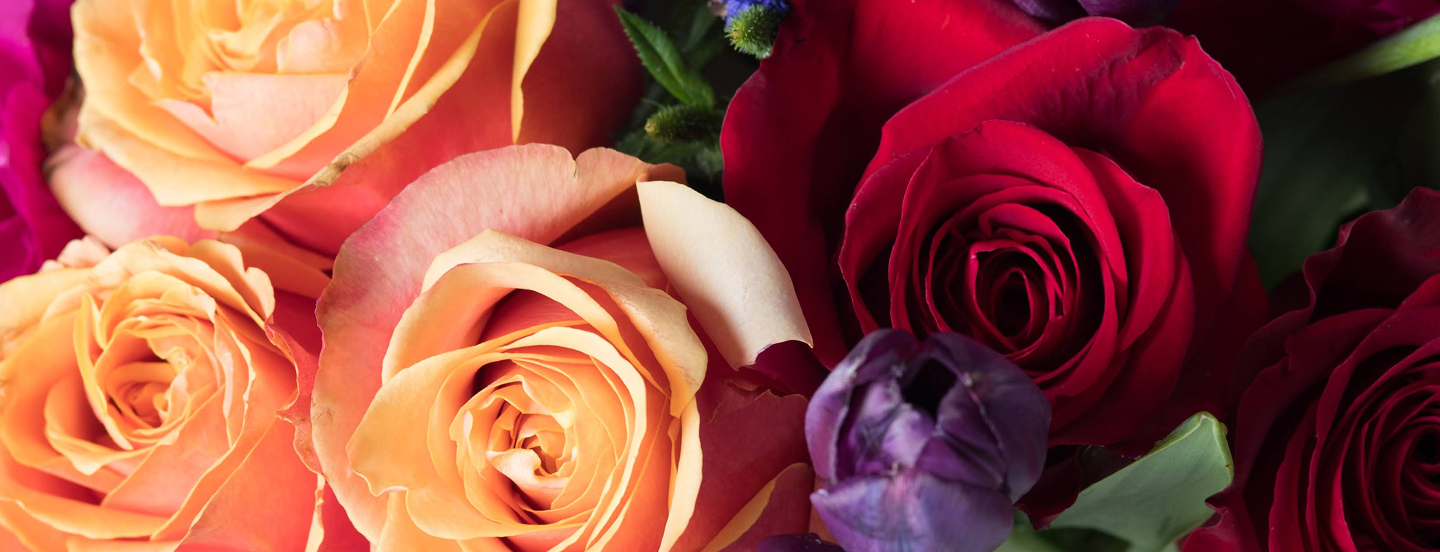
Choosing a bouquet should feel effortless. You do not need to know flower names to send something beautiful and appropriate. At Allan Woods Flowers in Washington, DC, we design arrangements that balance color, texture, and proportion so the gesture feels personal without becoming complicated. This guide offers clear, practical steps for how to choose a bouquet with confidence, along with gentle buying flowers tips that work across occasions and settings.
We favor a garden-inspired approach, layered and natural, always refined. Rather than assigning strict meanings, we focus on how a design will live in a room, how it will welcome guests, and how it will make the recipient feel. If you begin with the moment you are marking and the space where the flowers will be enjoyed, the rest becomes simple.
Start With the Moment and the Setting
Before you consider color, start with two questions: what is the occasion, and where will the flowers be placed? The answers will guide scale, fragrance, and overall mood.
-
Occasion
-
Birthday, something joyful and tailored to the recipient’s style.
-
Anniversary, elegant and composed, with an intimate feel.
-
Congratulations, confident structure and clear color.
-
Thank you, gracious and understated, easy to place anywhere.
-
Get well, low fragrance, and comfortable scale.
-
Sympathy, serene and soft, refined in tone and texture.
-
Host or housewarming, compact and welcoming for entry or dining.
-
Setting
-
Home, match size to surface, and consider existing palettes and light.
-
Office, keep fragrance gentle and the silhouette tidy.
-
Hospitals or care facilities choose compact designs that are effortless to handle.
-
Dining table, keep the height low so conversation flows comfortably.
When the moment and the setting are clear, the design reads as intentional even if you did not choose specific varieties.
A Choosing Flowers Guide: Color, Texture, and Shape
Think in three layers: color, texture, and shape. This is the simplest path to an arrangement that looks polished and feels thoughtful.
-
Color
-
Select a concise palette; two or three tones create clarity without crowding the eye.
-
Use a bridge neutral, soft green, stone, sand, or smoke to ease transitions between hues.
-
Consider tone by occasion, whites and greens are universally elegant, pastels suit a new baby and sympathy, richer tones suit celebrations and anniversaries.
-
Texture
-
Balance petal types, pair velvety blooms with smoother forms for contrast.
-
Introduce tailored foliage, which frames the design and adds movement without bulk.
-
Add a quiet accent, berries or seed pods, for subtle detail when appropriate.
-
Shape
-
Low and gathered, ideal for dining and coffee tables.
-
Asymmetrical and airy, creates gentle motion on consoles or sideboards.
-
Mono-botanical, one variety en masse for a modern, tailored statement.
Focusing on these essentials allows the bouquet to feel natural and composed, with interest from every angle.
Buying Flowers Tips, Size, Fragrance, Seasonality, Presentation
A few practical choices make gifting effortless and elevate the experience for the recipient.
-
Size and proportion
-
Petite, desks, bedside tables, powder rooms, and intimate gestures.
-
Medium, dining tables for four to six, coffee tables, and entry consoles.
-
Larger designs, foyers, living rooms, or places where a focal point is welcome.
-
Proportion note: allow light to pass through the design so it feels alive in the room.
-
Fragrance and sensitivities
-
Keep scent gentle for workplaces, hospitals, and shared spaces.
-
When fragrance is welcome, choose a measured profile so the space feels fresh rather than perfumed.
-
Seasonality and performance
-
Favor seasonal stems for truer color, graceful texture, and better longevity.
-
Be open to thoughtful substitutions that preserve the palette and mood when a specific variety is not available.
-
Presentation
-
Select a ready-to-enjoy arrangement in a vase for ease at delivery.
-
Choose vessels that suit interiors, clear glass for structure and water clarity, or matte ceramic for a timeless finish.
These small decisions remove guesswork and ensure the flowers arrive looking composed from the start.
Fail-Safe Palettes and Forms When You’re Unsure
When you do not know the recipient’s preferences, choose combinations that sit comfortably in most interiors and across many occasions.
-
Classic whites and greens
-
Serene, versatile, and always appropriate. Layered textures keep the look lively yet calm.
-
Soft neutrals with a single accent color
-
Sand, cream, and grey-green with one confident hue, a quiet way to introduce personality.
-
Single-variety arrangements
-
One bloom type in refined quantity offers clarity and presence without visual noise.
-
Garden-inspired mixed arrangements
-
Seasonal stems are arranged with natural movement and composed color for a balanced, handcrafted look.
Each option keeps the focus on proportion, texture, and tone, which creates an effortlessly polished result.
Matching the Bouquet to Common Occasions
You can select with confidence by aligning tone and shape to the moment. No elaborate symbolism is required.
-
Birthdays
-
Mood, joyful and personal, choose bright or softly saturated color.
-
Form, medium gathered arrangements, or a set of coordinated bud vases along a table.
-
A message, one warm sentence, specific to the person feels sincere.
-
Anniversaries
-
Mood, intimate and elegant.
-
Form, low centerpieces for dinner at home, or a single-variety statement for clarity.
-
Message, express gratitude, and share joy.
-
Congratulations
-
Mood, confident and uplifting.
-
Form, medium to larger scale, with a defined structure that reads purposeful.
-
Message, name the achievement, and offer admiration.
-
Thank you
-
Mood, gracious and composed.
-
Form, compact designs that fit anywhere without demanding attention.
-
Message, mention the kindness, and close with appreciation.
-
Get well
-
Mood, calm and encouraging.
-
Form, petite to medium scale, with low fragrance.
-
Message, brief and hopeful.
-
Sympathy
-
Mood, serene and gentle, often in whites, creams, and muted greens.
-
Form, arrangements in a vase that are easy to place at home.
-
Message, simple words of care without detail.
-
Host or housewarming
-
Mood, welcoming and warm.
-
Form, low centerpieces for dining, or compact pieces for entry and coffee tables.
-
Message, wish comfort and ease in the new space.
When the structure and tone align with the occasion, the bouquet feels thoughtful without overexplaining.
Details That Create a Polished Result
Refinement often comes from quiet decisions that may not be obvious at first glance.
-
Keep the palette edited so the eye can rest.
-
Allow negative space within the design for light and movement.
-
Choose foliage that supports the blooms rather than competes with them.
-
Keep stems clean and water clear for a fresh, architectural look in glass.
-
Consider the room’s scale and sightlines, especially for dining and conversation areas.
These choices help every arrangement feel balanced and intentional.
Presentation and Card Message Etiquette
Presentation completes the gesture and supports the mood of the flowers.
-
Vessels
-
Clear glass emphasizes stem structure and water clarity for a crisp silhouette.
-
Matte ceramic offers a soft, timeless finish that blends with many interiors.
-
Footed bowls provide lift when a table benefits from a little height without blocking views.
-
Card messages
-
Keep it concise and specific to the occasion.
-
Use names correctly, and include a full name or family name for clarity.
-
Examples
-
Birthday, Warmest wishes for a beautiful year ahead.
-
Anniversary, With love and gratitude for all we share.
-
Congratulations, celebrating your achievement with admiration.
-
Thank you, with appreciation for your kindness.
-
Get well, wishing you strength and a gentle recovery.
-
Sympathy, Holding you in our thoughts with deepest sympathy.
The right note anchors the intention of the flowers and adds a considered finish to your gift.
Simple Care Notes for Longer Enjoyment
Share a few care tips so the recipient can enjoy the bouquet at its best.
-
Refresh the water daily or every other day to keep it clear.
-
Keep foliage above the waterline to discourage bacteria.
-
Place arrangements away from heat sources, direct sun, and active vents.
-
If accessible, recut stems on an angle under running water to extend vase life.
-
Remove any fading blooms to let the remaining flowers shine.
Small habits can add days of beauty, especially for seasonal stems with delicate petals.
Safety and Sensitivity Considerations
A thoughtful bouquet is as considerate as it is beautiful.
-
Fragrance
-
Choose low-fragrance designs for shared spaces or sensitivity concerns.
-
Allergies
-
When unsure, favor designs with tidy pollen presentation and minimal scent.
-
Pets
-
Some flowers and foliage can be harmful if ingested. If a home has pets, select neutral-forward designs with safe alternatives and share placement guidance.
-
Facilities and policies
-
Hospitals, care centers, and some buildings have delivery or fragrance guidelines; compact, low-scent pieces are often preferred.
Attending to these details demonstrates care and respect for the recipient’s environment.
Seasonal Notes and Availability
Seasonality shapes color, texture, and silhouette. It also supports longevity and a more natural look.
-
Early spring
-
Fresh greens, delicate forms, and clear color that feels crisp and uplifting.
-
Late spring and summer
-
Layered petals, open-faced blooms, and occasional fruiting accents.
-
Autumn
-
Saturated hues with velvety finishes, sculptural foliage, and branching elements.
-
Winter
-
Refined palettes, textural evergreens, and graceful, architectural forms.
If a specific flower is requested and not available, a closely related texture or tone will maintain the intention. Trust a seasonal approach for stronger color stories and more graceful movement within the design.
Frequently Asked Questions
How do I choose a bouquet if I do not know flower names?
Begin with the occasion and the setting. Select a concise color palette, then choose a garden-inspired, mixed seasonal arrangement for a balanced, natural look.
What size is best for a dining table?
Keep the height low so conversation is comfortable. For longer tables, consider a softly elongated design or a series of coordinated bud vases.
Are bright colors appropriate when I am unsure of the recipient’s taste?
Choose measured, uplifting tones rather than highly saturated mixes. Whites and greens, or neutrals with a single accent color, suit most interiors.
What are the most reliable tips for buying flowers for longevity?
Favor seasonal stems, refresh the water regularly, and keep arrangements away from heat and direct sun. A ready-to-enjoy vase arrangement helps flowers settle quickly.
Is fragrance a concern for workplaces or hospitals?
Yes. Opt for low-fragrance designs with tidy silhouettes. A compact scale is easier to place and maintain.
What should I write on the card?
Keep it sincere and concise. Name the occasion and add one specific, thoughtful line.
Can I request adjustments to color or texture without naming specific flowers?
Absolutely. Share preferred tones, overall mood, or textures you enjoy, and let the designer select seasonal stems that fit the brief.
What if I missed the date?
A refined arrangement sent soon after remains a thoughtful gesture. Include a warm note to acknowledge the delay with grace.
Choosing With Confidence
Selecting the right bouquet does not require a catalog of flower names. Begin with the moment you are honoring and the space where the flowers will live. Choose an edited palette, favor seasonal stems, and match the scale to the surface. Keep fragrance gentle for shared settings and complete the gesture with a clear, concise message.
At Allan Woods Flowers, we create handcrafted arrangements with a garden-inspired sensibility that bring warmth and quiet sophistication to any room. When the details are considered, the result feels effortless, and the recipient experiences what matters most: beauty made welcoming, thoughtful, and easy to enjoy.