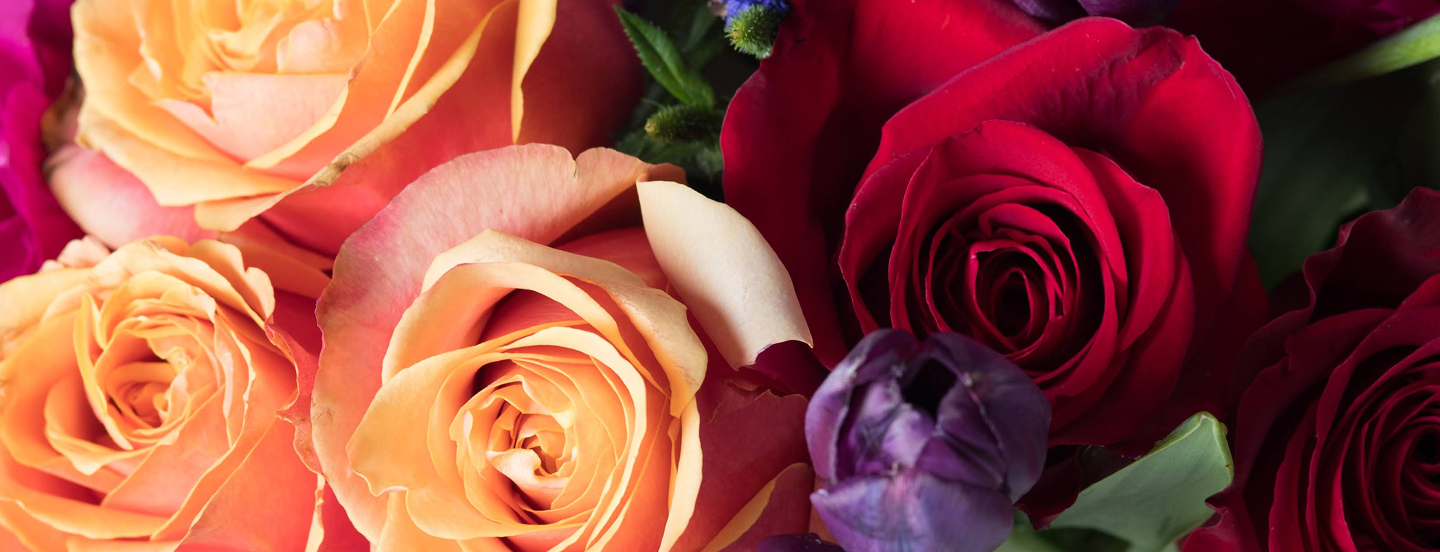
Spring arrives with a quiet sense of renewal. Petals feel lighter, color brightens, and form takes on an easy elegance. At Allan Woods Flowers in Washington, DC, we favor designs that let the season speak clearly: refined lines, layered textures, and palettes that feel calm yet confident. This guide shares the spring flower trends shaping the moment, how to translate them into arrangements that live beautifully at home, and simple care practices that preserve their freshness through the week.
We keep meaning uncomplicated. A tulip is appreciated for its graceful arc, a ranunculus for its layered petals and luminous color, a flowering branch for structure and scale. The following ideas bring together color, texture, design, vessels, and care, an approachable roadmap to what feels current now.
The Spring Palette, Soft Neutrals with Considered Accents
This season’s color stories lean toward precise rather than busy. The most compelling palettes rely on two or three tones that read clean and timeless.
-
Butter yellow and soft apricot joined by warm ivory for a sunlit table.
-
Powdered lilac and cool lavender lifted by spring greens, a serene combination with gentle movement.
-
Porcelain white paired with meadow greens for crisp contrast and graphic clarity.
-
Blush and dusty rose tempered with stone or taupe, a modern take on romance.
-
Emerald and sage foliage moments are used with restraint, emphasizing silhouette without heaviness.
Keeping the palette concise allows the natural character of each bloom to come forward—petal texture, subtle color shifts from bud to full flower, and the interplay between round forms and airy lines.
Trending Flowers for Spring, Stems Defining the Season
The most engaging spring stems combine presence and poise. They hold their shape, open gracefully, and invite light to move through the arrangement.
Ranunculus
-
Layered, tissue-fine petals that build from a tight bud to a luminous cup.
-
Nuanced tones from champagne and blush to coral, raspberry, and plum.
-
Excellent in compact clusters or as a lead voice in airy compositions.
Tulips
-
Clean, elongated forms with a natural arc that evolves day by day.
-
Strong color range, from porcelain whites to saturated parrots and fringed varieties.
-
Beautiful as a single variety statement or paired with light, textural accents.
Hellebores
-
Nodding blooms in elegant, muted hues, pistachio, mauve, and soft plum.
-
Provide a seamless bridge from winter to spring in mixed palettes.
Anemones
-
Crisp petals and vivid centers that add graphic contrast.
-
Striking in monochrome black and white stories, equally refined with sage and blush.
Sweet Peas
-
Diaphanous petals and refined fragrance are used with restraint.
-
Add lift, air, and a graceful sense of movement to minimal designs.
Flowering Branches
-
Quince, cherry, and dogwood bring architecture and seasonality at once.
-
A few stems transform an entry or console with a sculptural silhouette.
Viburnum and Spirea
-
Viburnum offers a generous, cloud-like texture in fresh green or white.
-
Spirea creates a delicate spray, perfect for transitional volume and line.
Narcissus and Specialty Daffodils
-
Layered cups and soft tones that glow, ideal for pale, spring-forward palettes.
-
Their modest scale pairs well with ranunculus and hellebores.
Peonies, a Late Spring Arrival
-
Generous petals and tonal depth as blooms mature.
-
Powerful as a focal, balanced by airy companions like spirea or sweet peas.
Availability varies with weather and timing, especially in the Mid-Atlantic. Expect the rhythm of the season to guide what is most beautiful week to week.
Design Directions Shaping Floral Trends
This spring, arrangements favor clarity, negative space, and mechanics that support hydration and longevity.
Mono botanical Statements
-
One exceptional variety, gathered with intention, feels modern and serene.
-
Ranunculus, tulips, or anemones arranged on their own highlight form, color, and line.
Airy Garden Compositions
-
Mixed stems are placed with room to breathe, creating the sense of a garden moment.
-
Light textures, spirea, jasmine vine, and viburnum, add lift without crowding the vase.
Ikebana Inspired Focus
-
A few well-chosen stems set at precise angles to emphasize shape and shadow.
-
Negative space becomes an active design element, lending tranquility and poise.
Low and Long Centerpieces
-
Refined silhouettes that keep sightlines open at the table.
-
Repetition of key blooms creates rhythm and calm without excess.
Foam Free, Open Water Methods
-
Pin frogs, branch grids, or discreet supports provide stability while keeping stems in clear water.
-
Better hydration and easy refresh extend color and form across more days.
These approaches share a disciplined lightness, purposeful placement, elegant proportion, and mechanics that support the integrity of each bloom.
Vessels and Materials, Quiet Foundations that Elevate Blooms
The right container frames the design, supports the silhouette, and can be used again across seasons.
-
Clear glass cylinders and ovals, timeless transparency that highlights stem structure and immaculate water.
-
Matte ceramic in chalk, stone, or dove tones, grounding soft palettes without competing for attention.
-
Footed bowls and pedestals, a gentle lift that adds presence to entry consoles or mantels.
-
Slim bud vases arranged in curated trios, ideal for desks and bedside tables where a hint of color feels fresh but unobtrusive.
Keep proportion in mind. Taller vessels suit tulips and branches, allowing graceful arcs to read fully. Lower, wider forms favor ranunculus, anemones, and textured spring greens.
Placement and Scale, Matching Floral Trends to Real Rooms
Thoughtful placement ensures the arrangement looks at ease in its setting.
-
Entry console, a sculptural branch arrangement, or a mono botanical statement in a pedestal bowl.
-
Dining table, low and long designs that echo the table’s length while preserving conversation.
-
Coffee table, compact profiles with rounded silhouettes and a tidy footprint.
-
Mantel is a coordinated series of vessels for a balanced, continuous line across the shelf.
-
Desk or bedside, single variety bud vase groupings for a clean, restful accent.
Scale should feel proportionate. The arrangement anchors the space without overwhelming it, leaving room for light to move through and around the blooms.
Care that Keeps the Look Fresh
Good care turns a beautiful arrangement into an enduring one. Small, consistent habits make the greatest difference.
On Arrival
-
Choose stems at a thoughtful stage, neither overly tight nor fully open.
-
For cut flowers, ensure clean vessels and generous water volume from the start.
Each Day
-
Place arrangements away from heat, direct sun, and active vents to slow respiration.
-
Check water level and top off as needed to keep stems fully hydrated.
Every Other Day
-
Refresh water and rinse the vase to limit bacterial buildup.
-
Make a short, angled recut on stems to reopen pathways for hydration.
-
Keep foliage above the waterline to maintain clarity and reduce clouding.
Additional Considerations
-
Tulips continue to grow in the vase; slightly taller vessels support their natural arc.
-
Ranunculus and anemones prefer cooler rooms, which preserves petal texture and tone.
-
If fragrance sensitivity is a concern, favor varieties with a gentle scent profile, such as anemones, many tulips, hellebores, and ranunculus.
These steps protect color, structure, and movement, allowing designs to hold their poise through the week.
Seasonal Timing in the Mid Atlantic
Weather influences precise windows, yet a simple regional rhythm offers helpful guidance.
-
Late March to early April, quince and cherry branches, early narcissus, hellebores.
-
April into May, tulips, ranunculus, anemones, viburnum, sweet peas.
-
May to early June, peonies, spirea, select later tulips tapering as the season warms.
Expect gentle shifts year to year. Embracing what is at its best right now is the most reliable way to achieve both beauty and longevity.
Sustainability Notes in Step with Spring
Today’s floral trends align naturally with mindful practice.
-
Seasonal selections often arrive fresher and wear beautifully, reducing waste.
-
Foam-free mechanics and open water methods support hydration and simple refresh.
-
Reusable vessels, glass, ceramic, and metal, offer enduring utility and timeless style.
-
Compost stems and leaves where local programs allow; remove wire or tape before disposal.
Responsible choices are elegant choices. They honor the flower’s form and extend the life of each design.
Color Stories to Try, Spring Palettes with Purpose
A few concise combinations that translate gracefully across rooms:
-
Buttercream and apricot, ranunculus, tulips, and spirea for a sunlit table.
-
Lilac and sage, sweet peas, hellebores, and viburnum for a cool, serene vignette.
-
Porcelain white and meadow green, anemones, jasmine vine, and flowering branches for crisp contrast.
-
Blush and taupe, peonies, butterfly ranunculus, and airy foliage for a soft, modern profile.
Each palette reads calm and intentional, supporting interiors from classic to contemporary.
How to Choose Trending Flowers for Spring with Confidence
A clear framework simplifies selection while keeping the result refined.
-
Begin with one focal family, such as ranunculus or tulips, then add a single textural accent.
-
Keep to two or three tones, allowing natural shifts in hue to add depth.
-
Consider vessel color and height; let the container support the silhouette rather than compete.
-
For shared spaces, select low-fragrance stems to keep the room comfortable.
This approach creates balance and rhythm without excess, aligning with the season’s lighter hand.
Frequently Asked Questions, Spring Flower Trends
Which spring flower trends are most versatile at home?
Mono botanical tulip arrangements, clusters of ranunculus with airy greens, and low-branch designs suit a wide range of interiors. Each reads polished with minimal effort.
What trending flowers for spring last the longest?
Ranunculus, many tulips, select anemones, and hellebores hold well with clean water and cool placement. Flowering branches also offer an extended presence with periodic pruning and fresh cuts.
Are bold colors part of current floral trends?
Yes, as measured accents within a calm palette. Butter yellow, coral, and lilac feel modern when balanced by soft neutrals and restrained greenery.
How can I keep tulips and ranunculus looking their best?
Trim stems every one to two days, refresh water frequently, and keep arrangements out of direct sun and heat. Support tulips with a slightly taller vessel to showcase their natural arc.
What should I select if I prefer very low fragrance?
Anemones, hellebores, many tulips, and ranunculus are thoughtful choices for fragrance-sensitive environments.
When do peonies typically appear in spring?
Often May into early June in the Mid Atlantic, depending on the season’s pace. Timing varies with the weather, so a flexible window is helpful.
How do flowering branches fit into spring floral trends?
They offer sculptural height and a gentle canopy of blossoms with minimal components. A few stems can define a room with clarity and calm.
Which vessels feel most current this season?
Footed bowls, matte ceramic cylinders, coordinated bud vase trios, and clear glass forms that highlight clean stems and water.
Do I need many varieties to create a spring arrangement that feels complete?
No. A concise selection, one focal bloom, one supporting flower, and one textural element often looks the most refined.
Closing Thoughts
Spring floral trends favor clarity, movement, and honest color. The season’s most compelling designs are not crowded; they use space intentionally and let each bloom contribute its line, texture, and tone. With a concise palette, well-chosen vessels, and simple care, clean water, cool placement, and gentle edits, arrangements remain composed day after day.
The effect is effortless and enduring. Whether you are drawn to the sculptural presence of flowering branches, the quiet glow of ranunculus, or the graceful arc of tulips, this spring invites a lighter touch. Thoughtful selection, balanced proportion, and openness to what is at its best this week bring a timeless sensibility to any room, an elegant expression of the season, beautifully at home.